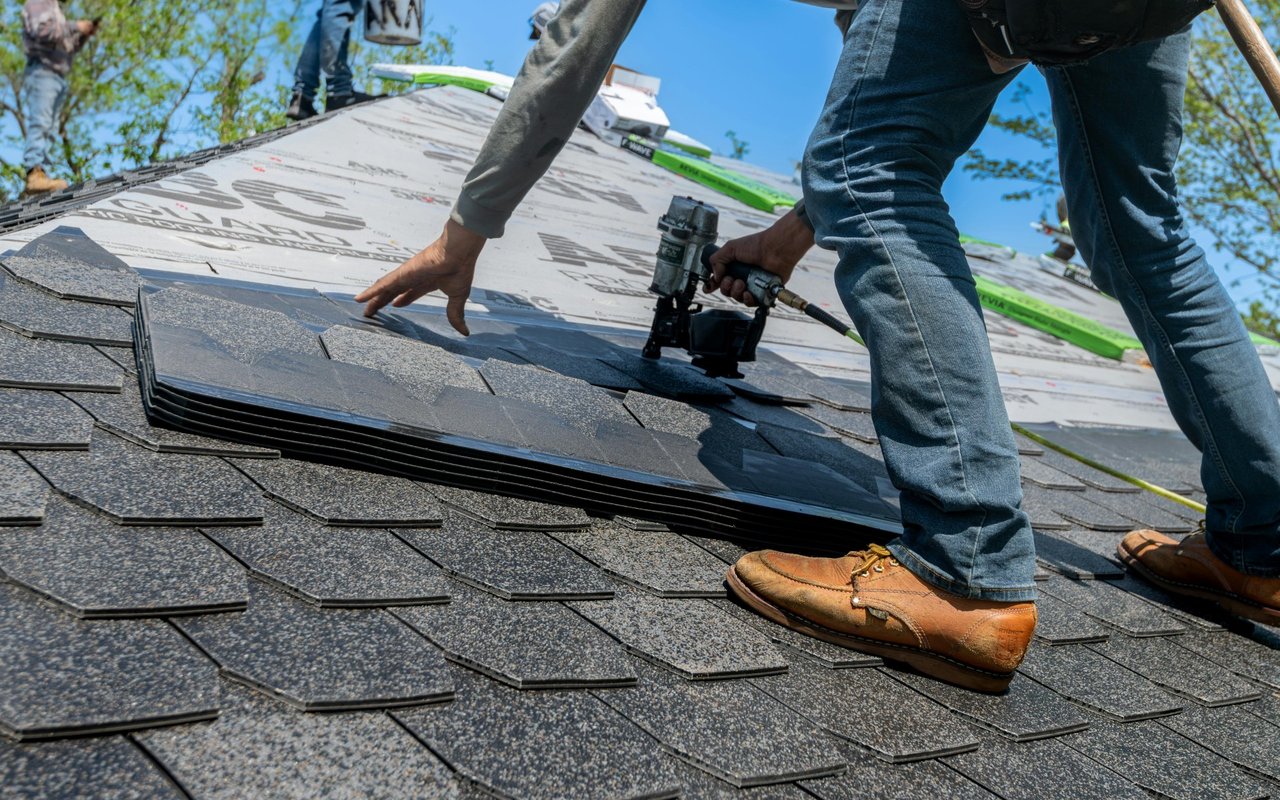
Your roof is one of the most critical components of your home, protecting you and your belongings from the elements. However, like all parts of your home, it requires regular attention and care. Knowing when to schedule an inspection—or even consider a replacement—can save you time, money, and headaches down the road. Here are some key signs to watch for to ensure your roof remains in top shape.
1. Age of the Roof
The lifespan of your roof depends on the materials used:
- Asphalt shingles: 20–30 years
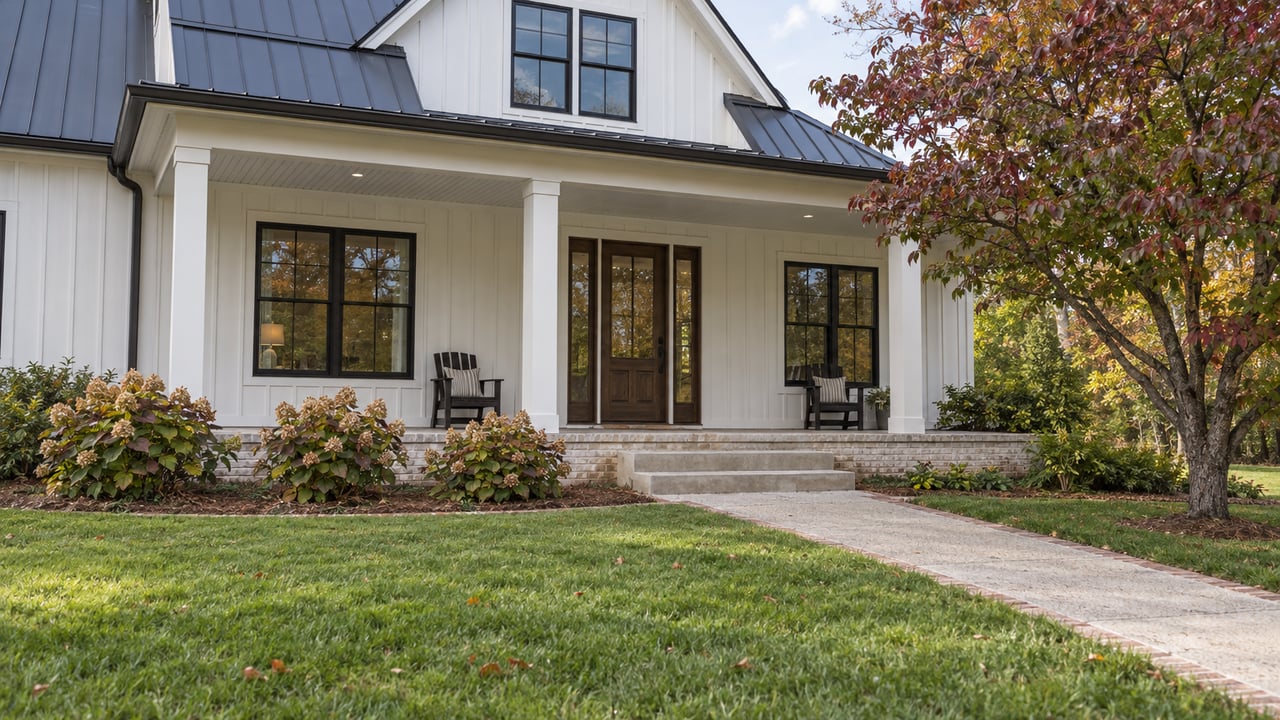
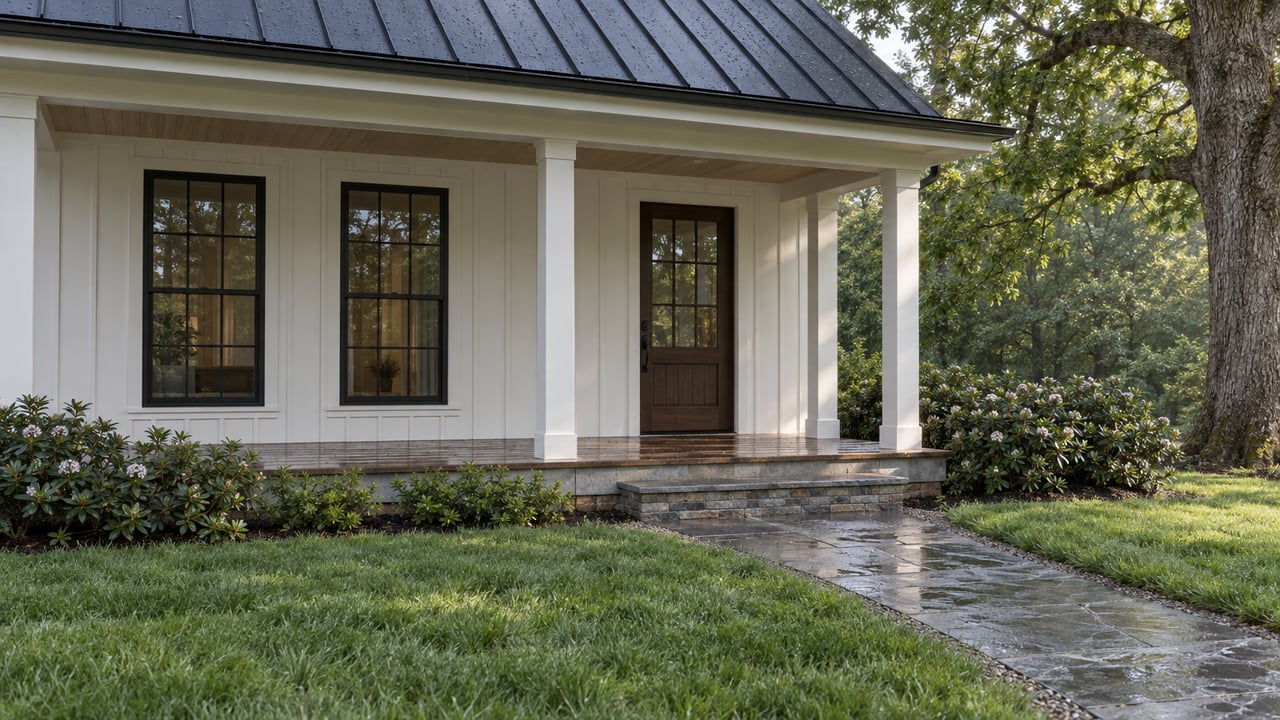
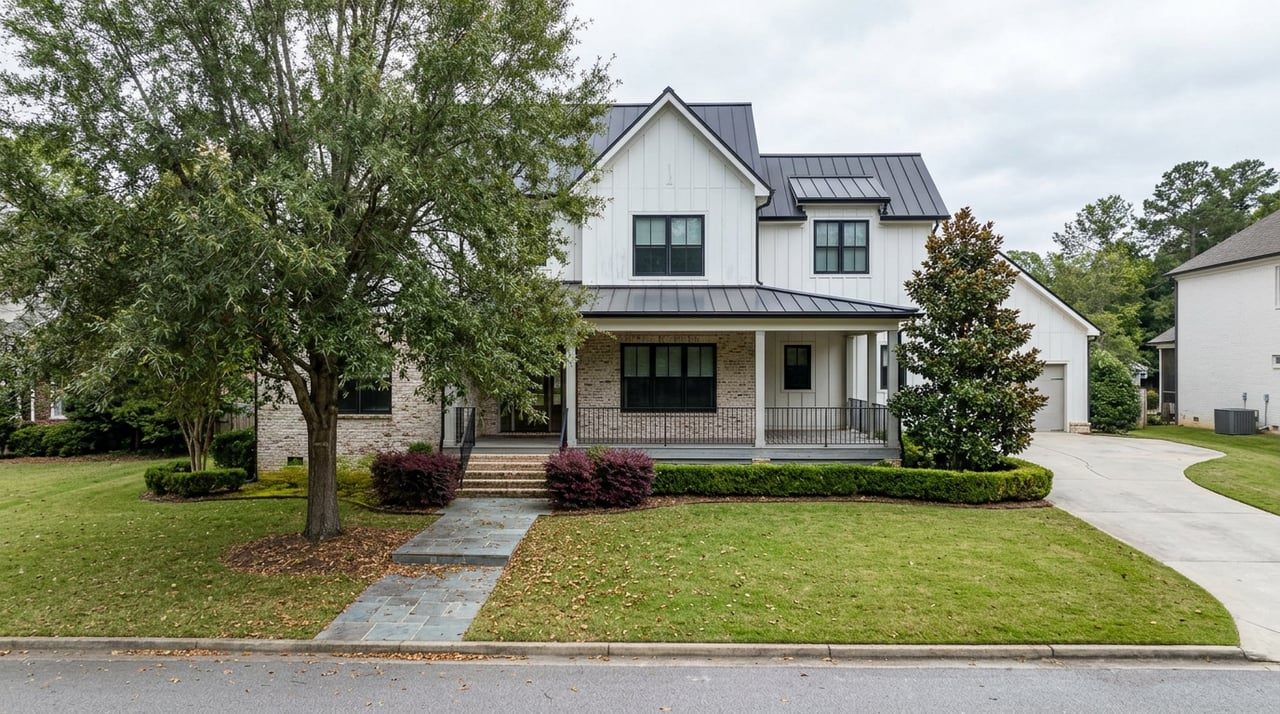
- Metal roofing: 40–70 years
- Tile or slate: 50+ years
If your roof is approaching or has exceeded its expected lifespan, it’s a good idea to schedule a professional inspection to assess its condition.
2. Missing or Damaged Shingles
Shingles are your roof’s first line of defense, and any damage can leave your home vulnerable. Look for:
- Missing shingles
- Cracked, curled, or warped shingles
- Bald spots where granules have worn off
These issues not only impact your roof’s appearance but can also lead to leaks and structural damage.
3. Leaks or Water Damage
Water damage inside your home is a clear indicator of roof trouble. Signs include:
- Water stains on ceilings or walls
- Mold or mildew growth
- Dripping or moisture in the attic
If you notice these signs, schedule an inspection immediately to prevent further damage.
4. Sagging Roofline
A sagging roofline is a serious red flag, indicating potential structural issues. This could be caused by:
- Excess moisture
- Rotting wood
- Foundation problems
If your roof appears uneven or sags in areas, it’s time to call a professional.
5. Damaged Flashing or Seals
Flashing and seals around vents, chimneys, and skylights are essential for keeping water out. Damaged or missing flashing can lead to leaks and water infiltration. Regularly inspect these areas for wear and tear.
6. Granules in Gutters
If you notice an excessive amount of granules in your gutters, it’s a sign your shingles are deteriorating. Granules protect shingles from UV rays and provide an additional layer of protection against the elements. Loss of granules can shorten your roof’s lifespan.
7. Higher Energy Bills
A damaged roof can affect your home’s insulation, causing heating or cooling systems to work harder. If you’ve noticed an unexpected spike in energy bills, your roof may be the culprit.
8. Storm Damage
Severe weather events, like hailstorms, strong winds, or heavy snowfall, can cause immediate and visible damage to your roof. After any major storm, it’s wise to have a professional assess the condition of your roof, even if there’s no obvious damage.
When to Consider a Replacement
If your roof shows multiple signs of damage, is nearing the end of its lifespan, or has been repaired multiple times in recent years, replacing it may be more cost-effective than ongoing repairs. A new roof not only enhances your home’s curb appeal but also increases energy efficiency and boosts property value.
What to Do Next
Regular roof inspections can help identify and address issues early, extending the life of your roof. Schedule a professional inspection annually or after severe weather to ensure your roof remains in good condition.
If you’re unsure whether your roof needs repairs or replacement, don’t hesitate to reach out to a trusted roofing professional for advice. Taking action now can prevent bigger problems down the road and give you peace of mind that your home is protected.