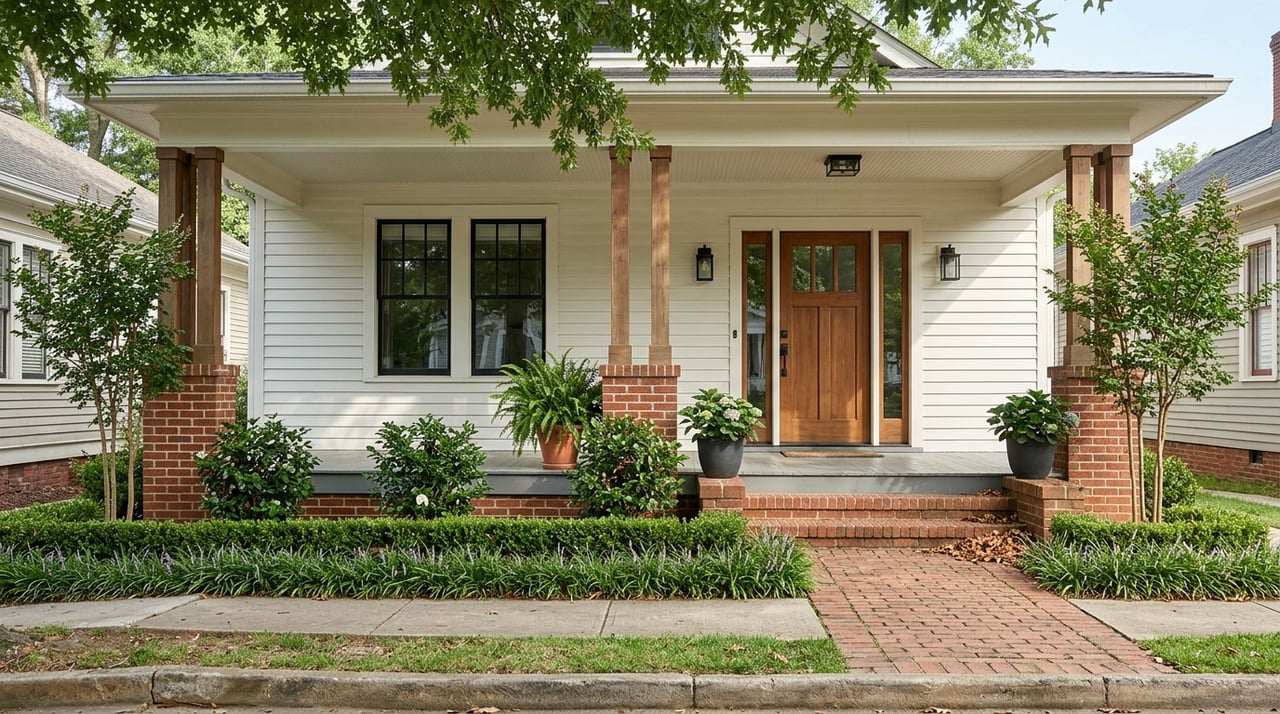
If you want a neighborhood that feels rooted in Greenville’s past but still keeps you close to downtown’s daily energy, Pettigru Historic District stands out fast. You may be looking for character, walkability, or simply a home that feels different from the usual newer build. In Pettigru, you get a rare mix of historic architecture, residential streets, and easy access to some of Greenville’s best-known parks, museums, and downtown destinations. Let’s dive in.
Why Pettigru Feels Distinct
Pettigru Historic District sits just east of downtown Greenville and is recognized by the city as one of Greenville’s official historic districts. The City of Greenville historic districts page identifies Pettigru as containing 88 structures, while the original National Register nomination counted 71 properties, so you may see both figures depending on the source.
What matters most when you walk the neighborhood is the setting itself. Historic documentation describes Pettigru as a primarily residential area with tree-lined streets, common setbacks, and a mix of frame and brick homes. That residential feel is a big part of why the district continues to draw attention from buyers who want an in-town location without giving up neighborhood character.
A Historic Greenville Story
Pettigru’s roots tie back to Boyce Lawn, the former estate of James Pettigru Boyce. According to the Greenville survey material from the South Carolina Department of Archives and History, William Goldsmith bought the land in 1884, laid out a small grid around 1907, and sold lots to cotton mill owners.
By 1914, the area was home to sixteen mill presidents. That helps explain why Pettigru developed as a place with architectural variety, strong street presence, and an early reputation for prestige within Greenville’s growing urban core.
Front Porches Shape Daily Life
One of the most memorable things about Pettigru is how often the homes meet the street with a porch. The National Register nomination repeatedly references one-story porches, recessed porches, and wraparound porches, along with columns in Doric, Tuscan, and Ionic styles.
That pattern creates a real front-porch rhythm from house to house. It gives the streetscape a more connected, human-scale feel, where architecture is not just something you see from the curb, but something that shapes how the neighborhood feels as you move through it.
Home Styles You’ll See Here
Pettigru offers a compact look at Greenville’s growth from about 1890 to 1930. Historic records point to a mix of Queen Anne cottages, Colonial Revival homes, bungalow and Craftsman forms, and later Art Deco examples.
That variety is part of the appeal if you want a home with visual character. Instead of a single repeating style, you see changes in rooflines, porch details, columns, dormers, and exterior materials that reflect different eras of early 20th-century building.
Common architectural details
Many of the district’s homes include details called out in historic documentation, such as:
- Recessed or wraparound front porches
- Decorative columns
- Dormers
- Transoms
- Wide eaves
- Frame and brick construction
The district also includes two large apartment buildings from the 1920s, adding another layer to the neighborhood’s historic streetscape.
Walkability Near Downtown Greenville
If your ideal lifestyle includes leaving the car parked more often, Pettigru has a strong location story. Downtown Greenville is described by VisitGreenvilleSC as a true walking city, with wide, tree-lined sidewalks and an eleven-block Main Street lined with boutiques, coffee shops, restaurants, galleries, hotels, breweries, public art, and cultural destinations.
Because Pettigru sits just east of that downtown core, it fits naturally into an in-town routine. You can enjoy a quieter residential setting while staying close to the everyday convenience and activity that make downtown Greenville so popular.
Trolley access adds flexibility
Greenville’s free downtown trolley adds another useful option to the mix. The city notes that the trolley runs Friday through Sunday year-round, is wheelchair accessible, and operates on fixed downtown loops through the central area linked from its historic districts page.
For you, that can make casual downtown trips feel easier. Whether you are heading to Main Street, meeting friends, or enjoying a weekend event, the trolley supports a lower-friction downtown routine.
What Daily Life Can Look Like
Pettigru works well for buyers who want both a neighborhood setting and access to city amenities. The area remains primarily residential, but Greenville’s downtown attractions are close enough to shape everyday life in a practical way.
A believable day here might start with coffee on the porch, followed by a walk toward Main Street for lunch or errands. Later, you might spend time at a park, explore a museum, or head downtown for an evening event.
Parks and Culture Nearby
Downtown Greenville offers several major destinations within easy reach. VisitGreenvilleSC’s downtown attractions guide highlights Heritage Green, the Peace Center, and Falls Park on the Reedy as key anchors.
Heritage Green brings together the Upcountry History Museum, the Greenville County Museum of Art, and the Sigal Music Museum. That gives you access to arts and culture in a compact downtown area that is easy to work into a weekday or weekend plan.
Outdoor options close to downtown
For green space and recreation, Cleveland Park is the city’s largest park. The city’s park information page notes that Cleveland Park includes the Greenville Zoo, playgrounds, a fitness trail, half-court basketball courts, tennis courts, and a sand volleyball court.
VisitGreenvilleSC also says the pedestrian pathways at Falls Park connect to nearby Cleveland Park. The city identifies Cleveland Park as the start of the Prisma Health Swamp Rabbit Trail, which adds even more appeal if you value outdoor time close to home.
Events Keep Downtown Active
Living near downtown Greenville also means you are close to the city’s recurring events calendar. VisitGreenvilleSC highlights annual and seasonal events such as Artisphere, Fall for Greenville, Greenville Jazz Fest, Greenville Heritage Main Street Fridays, Moonlight Movies, Juneteenth, United Community Ice on Main, and TD Saturday Market.
That does not mean every day feels busy. Instead, it means you have regular access to public events, entertainment, and community gathering spaces when you want them, while still returning home to a largely residential historic district.
Who Pettigru Often Appeals To
Pettigru can be especially appealing if you are looking for in-town living with character and convenience. The combination of preserved homes, porch-oriented streets, downtown access, trolley service, and nearby parks creates a lifestyle that many buyers find compelling.
You may be drawn to Pettigru if you want:
- A historic home with visible architectural detail
- A neighborhood that remains primarily residential
- Close access to downtown dining, shopping, and culture
- Easier access to parks and walking routes
- An in-town setting that feels established and distinctive
What to Consider Before You Buy
Historic neighborhoods offer real charm, but they also reward a careful, informed approach. In a district like Pettigru, housing inventory, property condition, lot features, and architectural details can vary a lot from one home to the next.
That is why local guidance matters. When you understand the district’s layout, housing stock, and how location within the neighborhood affects daily convenience, you can make a more confident decision.
If you are exploring historic homes or thinking about a move closer to downtown, working with an experienced local team can help you compare options clearly and move forward with a solid plan. When you are ready to talk through Pettigru Historic District or other Greenville neighborhoods, connect with Tim Elder for knowledgeable, high-touch guidance.
FAQs
Is Pettigru Historic District in downtown Greenville?
- Pettigru Historic District is just east of downtown Greenville, giving you close access to the downtown core while still offering a primarily residential setting.
What kinds of homes are in Pettigru Historic District?
- Historic documentation identifies Queen Anne cottages, Colonial Revival houses, bungalow and Craftsman forms, and later Art Deco examples within the district.
Is Pettigru Historic District walkable to downtown Greenville?
- Pettigru sits next to a downtown area that VisitGreenvilleSC describes as a walking city, so the neighborhood is well positioned for an in-town lifestyle near Main Street destinations.
What makes Pettigru Historic District feel unique?
- Its mix of historic architecture, tree-lined residential streets, and recurring front-porch design features gives the neighborhood a distinct sense of place.
Are parks and museums close to Pettigru Historic District?
- Yes. Falls Park on the Reedy, Cleveland Park, Heritage Green, and several downtown museums and cultural venues are all nearby.
Does Greenville offer public transportation near Pettigru Historic District?
- Greenville’s free downtown trolley runs Friday through Sunday year-round on fixed downtown loops and is wheelchair accessible, which can support trips into the downtown core.