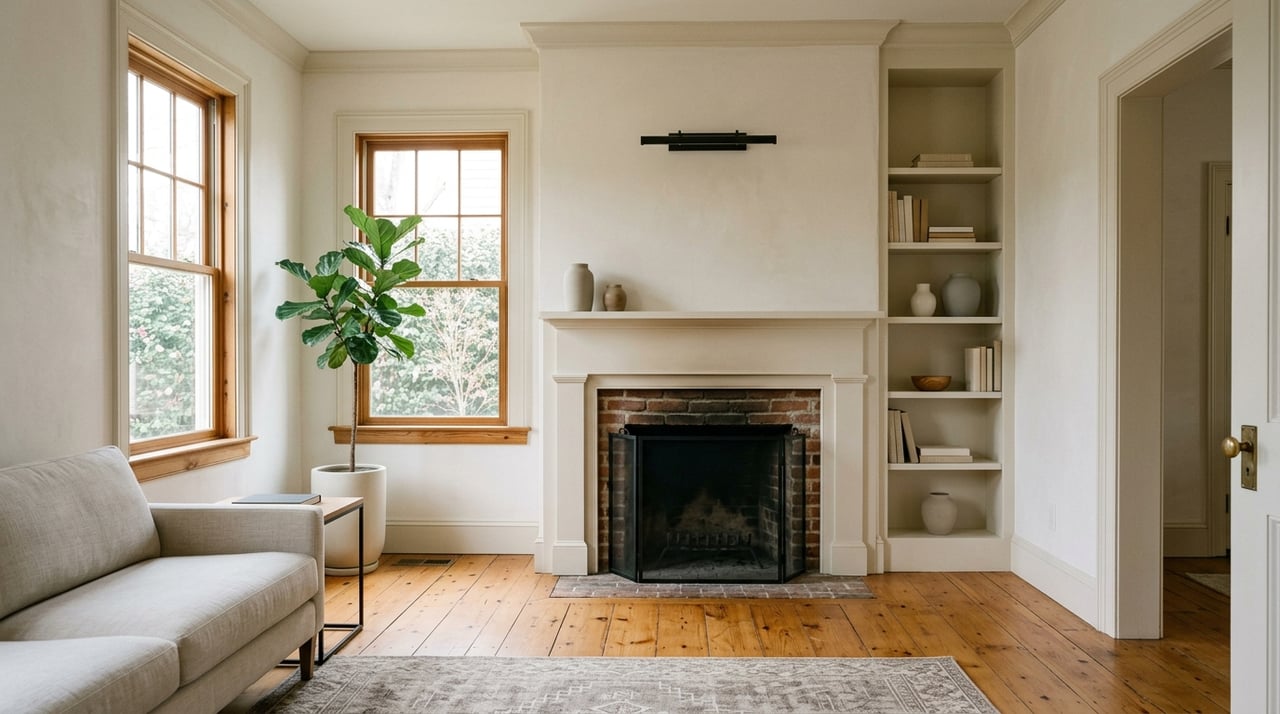
If you own a historic home in Pendleton, getting it ready for the market takes more than a fresh coat of paint and a few trendy updates. Buyers are often drawn to these homes because of their age, craftsmanship, and story, but they also want confidence that the property works for modern life. When you prepare thoughtfully, you can show both. Let’s dive in.
Why Pendleton historic homes need a different plan
Pendleton is not just an older town with a few vintage houses. It was created in 1790, and the Pendleton Historic District is part of the town’s identity. That means your home may be seen as more than a place to live. It may also be viewed as part of the community’s historic fabric.
For sellers, that changes the goal. You are not trying to erase the age of the house. You are trying to present it as a well-cared-for historic property that still meets the expectations of today’s buyer.
Start with preservation-minded repairs
One of the biggest mistakes sellers make with older homes is overcorrecting. In a historic Pendleton home, buyers often respond better to repairs that protect original character than to rushed updates that make the house feel generic.
The National Park Service rehabilitation standards recommend keeping historic character, preserving distinctive features, and repairing deteriorated features before replacing them. If replacement is necessary, the new material should match the old in design, color, texture, and visual qualities.
That guidance matters most in places buyers notice right away, such as:
- Original windows
- Wood flooring
- Trim and molding
- Fireplaces and mantels
- Doors and hardware
- Porches and exterior details
If your windows stick, your porch railing is loose, or exterior wood shows wear, those items deserve attention early. Buyers tend to read visible deferred maintenance as a sign that larger issues may exist.
Focus on function as much as charm
Historic appeal may get buyers through the door, but day-to-day function helps them feel comfortable making an offer. That is why pre-list prep should also include practical systems and safety items.
Pendleton maintains an International Property Maintenance Code framework for existing structures that addresses structural integrity, sanitation, fire safety, and exterior appearance. If obvious maintenance issues show up during a showing or inspection, they can weaken buyer confidence fast.
Before listing, it helps to review the home with an eye toward:
- Roofing and drainage
- Electrical service and visible hazards
- Plumbing leaks or outdated fixtures
- HVAC performance
- Chimneys and masonry
- Structural concerns such as sloping floors or cracking
- Exterior paint condition and wood rot
You do not need to make the house feel brand new. You do want it to feel stable, cared for, and ready for its next owner.
Check local review rules before exterior work
In Pendleton, exterior changes may involve more than your contractor and your budget. Some properties on Mechanic Street, Queen Street, or Greenville Street may be subject to corridor guidelines and Design Review Board approval before a permit can be issued.
The town’s zoning permit request form makes that especially important for certain exterior or site work. If you are considering façade changes, porch work, new railings, shutters, fencing, or other visible updates, checking review requirements first can save time and frustration.
This does not mean modern updates are off the table. Pendleton’s review framework is intended to keep changes compatible with the town’s character, and it does not require exact replication of older building styles. For sellers, that is encouraging. It means thoughtful improvements can still fit.
Modernize carefully, not aggressively
Today’s buyers still care about kitchens, baths, lighting, and comfort. The key is making improvements that support modern living without stripping away the features that make your home special.
The National Park Service allows new work when it remains compatible with the building’s size, scale, massing, and architectural character. In practice, that may mean updating worn finishes, improving lighting, or replacing dated fixtures while keeping the original layout details and visual balance of the home.
A smart approach often includes:
- Refreshing kitchens and baths without removing every original element
- Improving lighting for brighter everyday use
- Servicing or updating HVAC and electrical systems as needed
- Repairing original windows before considering replacement
- Choosing finishes that feel clean and timeless instead of overly trendy
Buyers in Pendleton are often looking for a blend of authenticity and comfort. Your prep strategy should reflect both.
Be ready for buyer questions
Older homes naturally prompt more questions, and that is not a bad thing. In fact, a well-prepared seller can build trust quickly by answering those questions clearly and with documentation.
One of the most common questions is simple: what is original, and what has been updated? According to the National Park Service guidance on historic properties, understanding significance and character-defining features is central to how a historic property is evaluated and presented. For your listing, that means the history of the home is part of the value story.
Another common issue is lead-based paint. The EPA’s Lead-Based Paint Disclosure Rule applies to most pre-1978 housing, requires disclosure of known information before sale, and gives buyers a 10-day opportunity to conduct a paint inspection or risk assessment. If your home was built before 1978, it is wise to gather any records you already have and understand what must be disclosed.
Buyers may also ask whether future renovations could qualify for tax incentives. In South Carolina, historic rehabilitation tax credits may be available in certain situations, but eligibility depends on the property, the type of use, and whether the work meets review standards. This is worth mentioning carefully, but it should never be presented as a guarantee unless status has already been confirmed.
Build a seller packet before you list
A strong seller packet can make a historic home feel less uncertain to a buyer. Instead of leaving people to guess, you give them a clear record of care, improvements, and known facts.
Your packet can include:
- Maintenance log
- Contractor invoices
- Permits and inspection reports
- Warranties
- Lead disclosure records and test results, if available
- Before-and-after photos of major work
- Notes on original features and restoration efforts
- Dates for major system replacements
- Historic research or older photos that help tell the home’s story
This kind of packet does more than answer questions. It helps buyers feel that the home has been handled responsibly.
Stage to highlight craftsmanship
Historic homes usually show best when the staging supports their original proportions and details. You do not want the home to feel frozen in time, but you also do not want to cover up the very elements that make it memorable.
In Pendleton, where the town actively promotes its historic appeal and invites visitors to explore its character-rich environment through local tourism and visitor resources, your home’s story matters. Clean, uncluttered rooms often do more than heavy décor to showcase trim, floors, fireplaces, doors, porches, and original windows.
As you prepare, keep these staging goals in mind:
- Open sightlines to architectural features
- Minimize clutter on mantels, floors, and porch spaces
- Use simple furnishings that fit the scale of the rooms
- Let natural light help show original materials
- Keep finishes and accents neutral so historic details stand out
The goal is not to make the house look new. The goal is to make it feel livable, cared for, and distinctive.
Assemble the right pre-list team
Selling a historic home often requires a more specialized pre-list process than selling a newer property. The right professionals can help you avoid mistakes, prioritize repairs, and tell the story of the home more effectively.
A strong consultation team may include:
- A real estate agent experienced in older or historic homes
- A stager and photographer who know how to feature architectural detail
- A preservation-minded contractor or architect for character-sensitive work
- A home inspector familiar with older houses
- Specialized trades such as electricians, plumbers, HVAC technicians, roofers, masons, chimney professionals, or structural inspectors
- A certified lead inspector or risk assessor for pre-1978 homes
- Town planning or Design Review Board staff if exterior changes are under review
- A tax professional or preservation advisor if rehab credits are being considered
Having the right guidance early can keep your prep focused and cost-effective.
Tell a story buyers can trust
The strongest historic-home listings in Pendleton do three things well. They explain what makes the property historically meaningful, show what has been improved with care, and make it easy for buyers to see how the home works today.
That is where experienced planning really helps. When you combine smart preparation, accurate documentation, and thoughtful marketing, your home can stand out for the right reasons. If you are thinking about selling a historic property in Pendleton, Tim Elder can help you create a plan that respects the home’s character while positioning it for today’s market.
FAQs
What should sellers repair first in a Pendleton historic home?
- Start with visible maintenance, safety concerns, and system issues that affect buyer confidence, especially items tied to structural integrity, exterior condition, windows, roofing, plumbing, electrical, and HVAC.
Do Pendleton historic homes require approval for exterior changes?
- Some properties, including certain homes on Mechanic Street, Queen Street, or Greenville Street, may need Design Review Board approval before permits are issued for exterior or site work.
Can you update a historic Pendleton home and still keep its character?
- Yes. The best approach is to make compatible updates that improve daily living while preserving character-defining features such as original windows, trim, floors, doors, and porches.
What documents should sellers gather before listing a historic home in Pendleton?
- Helpful records include maintenance logs, contractor invoices, permits, inspection reports, warranties, lead disclosure records, before-and-after photos, and notes about original features and major updates.
What do buyers ask most about older homes in Pendleton?
- Buyers often want to know what is original, what has been updated, whether there are lead-based paint concerns, and how future renovations may be affected by historic review rules or possible tax credit eligibility.