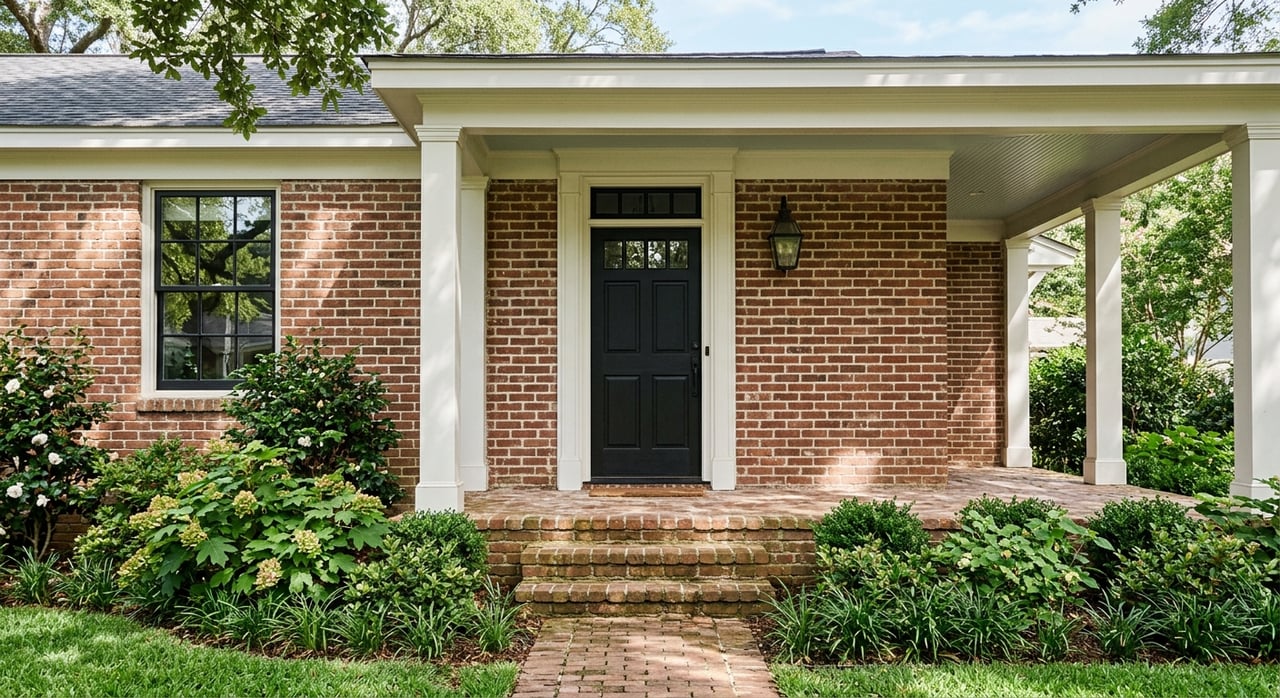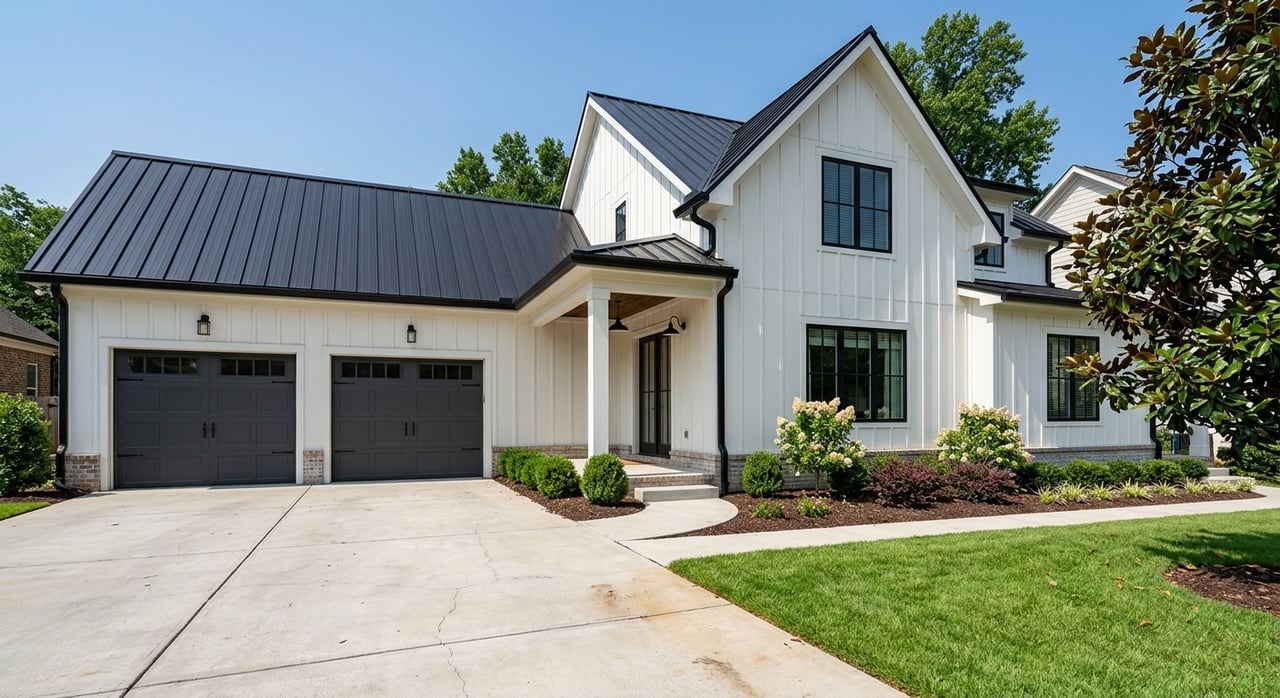
Building equity in your home is one of the key financial advantages of homeownership. Equity represents the portion of your property’s value that you truly own—it's the difference between the home’s current market value and your mortgage balance. The faster you build equity, the greater your financial flexibility for the future, whether you want to sell, refinance, or leverage a home equity loan. Here are some smart strategies to help you build equity quickly after purchasing your home:
1. Make Extra Mortgage Payments
One of the simplest ways to build equity faster is to pay down your mortgage principal more quickly than the scheduled timeline. Here’s how you can do it:
-
Make Additional Payments: Consider adding one or two extra mortgage payments each year. Even small, extra payments go directly toward reducing your loan balance, which shortens the loan term and reduces the overall interest you’ll pay.
-
Biweekly Payments: Instead of making monthly payments, consider switching to biweekly payments. With this method, you’ll make 26 half-payments each year, equaling 13 full payments. This extra payment can accelerate principal reduction without straining your budget.
-
Round Up Your Payments: If biweekly payments aren’t an option, round up each monthly mortgage payment to the nearest hundred. This small additional amount each month can make a big difference over time.
2. Refinance to a Shorter Loan Term
If your financial situation allows, refinancing to a shorter loan term—such as from a 30-year to a 15-year fixed-rate mortgage—can help you build equity quickly. With a shorter term, a larger portion of each payment goes toward the principal rather than interest, accelerating equity growth. While monthly payments will likely be higher with a shorter term, you’ll pay off the mortgage faster and pay less in interest overall.
3. Increase Your Home’s Value with Smart Renovations
Strategic home improvements can increase your home’s market value, which directly boosts your equity. Here are some high-return-on-investment (ROI) upgrades:
-
Kitchen Remodel: Updating appliances, countertops, or cabinetry can provide a significant boost to your home’s value.
-
Bathroom Updates: Simple changes like new fixtures, tiling, or a modern vanity can add value without a major overhaul.
-
Curb Appeal Enhancements: Improvements like landscaping, repainting, or adding a new front door make a strong first impression and can improve your home’s perceived value.
-
Energy-Efficient Upgrades: Adding energy-efficient windows, installing a new HVAC system, or investing in solar panels not only lowers utility bills but also enhances home value.
By focusing on renovations that provide a good ROI, you can increase your home’s value and, therefore, your equity.
4. Maintain and Repair Your Home
Regular maintenance is key to preserving—and increasing—your home’s value. Routine upkeep prevents small issues from becoming larger, more costly problems, protecting your home’s condition and helping it retain its market value. Some important maintenance areas include:
-
Roof and Exterior: Regularly inspect for signs of wear and address any issues promptly.
-
HVAC System: Schedule routine servicing to ensure efficient heating and cooling, which can extend the life of your system.
-
Plumbing and Electrical: Address minor issues before they become major repairs to avoid value depreciation.
Staying on top of repairs and maintenance preserves the home’s worth, preventing potential declines in equity.
5. Wait for Market Appreciation
The housing market can naturally drive up the value of your home over time, a process called market appreciation. Choosing a home in an area with growth potential, like up-and-coming neighborhoods or cities with a strong job market, can enhance this effect. By staying in your home as its value appreciates, you can passively build equity without making additional investments. Although this method requires patience, it can significantly impact your equity if you buy in the right location.
6. Make a Larger Down Payment
While this step applies at the time of purchase, it’s worth mentioning as it offers an instant equity boost. Putting down 20% or more when buying a home reduces the amount you owe on your mortgage, immediately increasing your equity. A larger down payment also allows you to avoid private mortgage insurance (PMI), which saves you money over the life of the loan and gives you a stronger financial stake in your property from day one.
Final Thoughts
Building equity quickly is a rewarding goal that gives you financial security and flexibility for the future. By focusing on paying down your mortgage, making strategic home improvements, keeping up with maintenance, and taking advantage of market appreciation, you can grow your equity faster. Whether you plan to sell, refinance, or simply build wealth, these strategies will help you make the most of your home investment and reach your financial goals sooner.