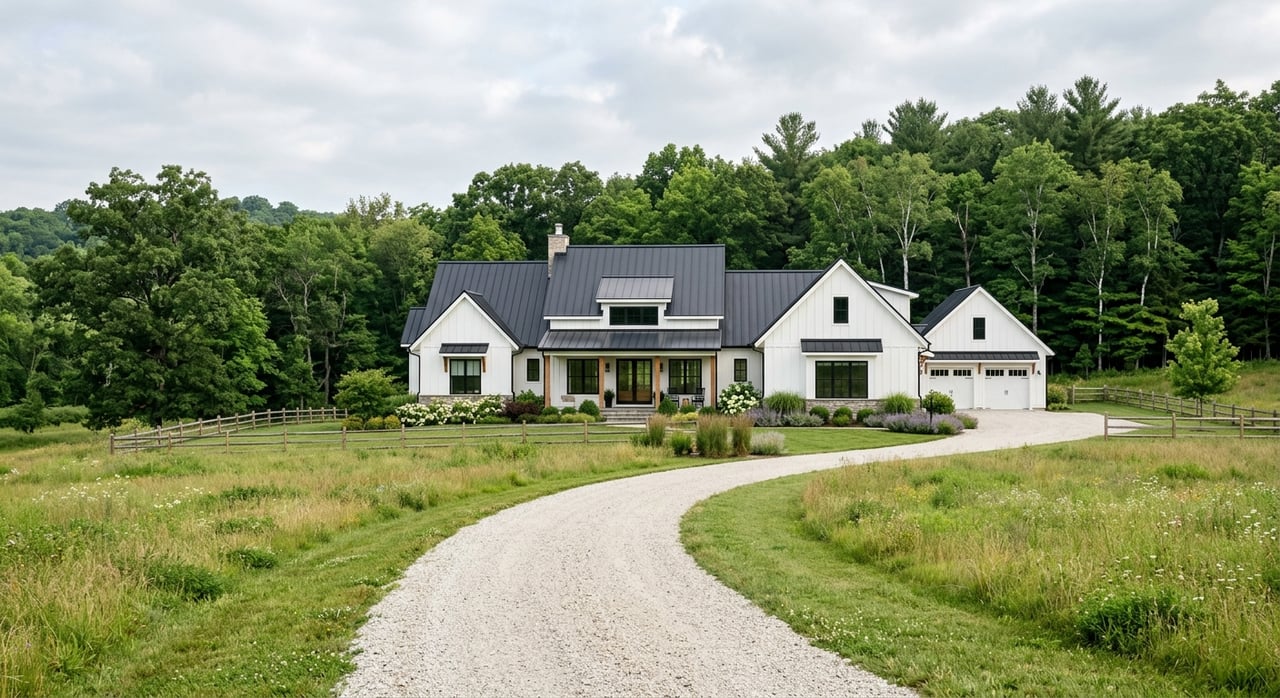
Dreaming about a few acres near Landrum? It is easy to picture the privacy, mountain views, and room to spread out. But with rural property, what looks simple from the road can come with big questions about access, utilities, and what you can actually do with the land. This guide will help you sort through the key issues before you make an offer, so you can buy with more confidence. Let’s dive in.
Why Landrum draws acreage buyers
Landrum stands out for its rural character and equestrian roots. The City of Landrum notes that horseback riding is a popular part of local life, with horse farms throughout the area and regional traditions like the Blockhouse Steeplechase and F.E.N.C.E. helping shape the community’s identity.
That appeal attracts a mix of buyers. You may be looking for a homesite, a hobby farm, or land that gives you more privacy and flexibility than a typical neighborhood lot. Around Landrum, those goals can be realistic, but only if the parcel works on paper as well as it does in person.
Check who governs the parcel first
One of the first things to confirm is whether the property sits inside the City of Landrum or in unincorporated Spartanburg County. That single detail affects which rules apply, which office you need to call, and how future plans may be reviewed.
In the city, zoning regulations guide growth and define what and where you can build. The city also requires a Certificate of Zoning Compliance when changing a property’s use, and rezoning must go through the Planning and Zoning Commission and City Council.
In unincorporated Spartanburg County, the framework is different. The county uses the Performance Zoning Ordinance in the Southwest Planning Area and the Unified Land Management Ordinance in the rest of the county, and it notes that these do not assign traditional parcel-by-parcel zoning classifications.
That difference matters if you want to build, divide land later, or use the property in a specific way. Before you get too far into negotiations, confirm the parcel location and start with the right planning office.
Why verification is not final approval
A zoning letter or quick phone call can be helpful, but it should not be treated as the final word. Spartanburg County specifically says zoning verification letters do not approve an existing use or a future change of activity.
In plain terms, think of early planning feedback as a screening step. It can help you spot issues, but it is not the same as getting formal approval for your intended use.
Access and frontage matter more than many buyers expect
With acreage, access can be just as important as size. A parcel may look attractive on a map, but if legal access, road frontage, or driveway approvals are weak, the property can become much harder to use or finance.
Spartanburg County says frontage requirements vary by road classification. Lots on certain arterial, collector, or qualifying local roads may need 100 feet of frontage, while others may need 75 feet or 50 feet depending on whether right-of-way has been dedicated.
That means a 10-acre tract is not automatically more usable than a 5-acre tract. If access is awkward or frontage is limited, the larger parcel may actually be the riskier purchase.
Private roads deserve extra review
Private roads can be workable, but you need to know exactly what you are taking on. Spartanburg County requires a recorded Road Maintenance Agreement that assigns perpetual maintenance responsibility to the property owners, and private roads must be posted as privately maintained roads.
The county also states that it has no current or future maintenance obligation for those roads. If the parcel is served by a private road, ask for the recorded agreement early and review who maintains it, how costs are shared, and whether the arrangement fits your comfort level.
Driveways and future splits have rules too
If you plan to build a home, the driveway itself may need approval. Spartanburg County’s driveway access permit requires the owner or contractor to build to county and state specifications, notify Roads & Bridges before work starts, and allow inspection.
If you are thinking longer term, subdivision rules matter too. The county says a South Carolina-licensed surveyor, stamped plats, and approval are required before a plat can be filed or recorded, and parcels on a state road may trigger South Carolina Department of Transportation review.
Buildability depends on utilities and site conditions
One of the biggest mistakes acreage buyers make is assuming that open land is ready to build on. In reality, utility access, septic feasibility, water availability, and physical site conditions often determine whether a property is truly buildable.
The City of Landrum lists electric service through Duke Power, water and sewer through Spartanburg Water Systems and the Sanitary Sewer District, along with internet, natural gas, propane, and garbage options. Spartanburg Water says buyers should call to confirm water and sewer availability because service is parcel-specific.
That last point is important. Just because nearby homes have service does not mean your tract will connect easily or at all.
What to know about septic and wells
If public water or sewer is not available, South Carolina’s Department of Environmental Services says you may need a residential well, a septic system, or both. The agency advises buyers to first confirm utility availability with local government.
For septic, soil conditions and house size affect how much land is needed. SCDES lists minimum separation distances that include 5 feet from buildings, 5 feet from the property line, 75 feet from a private well, 100 feet from a public well, 75 feet from surface water, and 25 feet from a drainage ditch.
If a site does not meet conventional or alternative standards, a professional engineer and soil scientist may need to evaluate it for a specialized system. SCDES notes that this can cost thousands more, which is why early due diligence is so important.
Slopes, rock, and flood risk can change everything
The foothills setting around Landrum is part of the draw, but it can also create practical challenges. SCDES flags rocky ground, steep slopes, wet land, and flooding-prone sites as potential septic problems.
Spartanburg County explains that Special Flood Hazard Areas are mapped as land with a 1% annual chance of flooding. The county also notes that flood insurance is required for insurable structures in those areas when federal or federally backed financing is involved.
Even if a parcel feels dry on the day you visit, topography and drainage still need a close look. A good homesite is not just about views. It is about whether the land supports the type of build you want.
Protect resale value from day one
Even if you plan to keep the property for years, it helps to buy with resale in mind. Parcels tend to be easier to market when future buyers can quickly verify legal access, a usable homesite, and clear utility or septic feasibility.
That is one reason documentation matters so much. Clean plats, frontage that meets local rules, known road maintenance terms, and a realistic path to water, sewer, well, or septic all reduce uncertainty for future buyers, lenders, and appraisers.
Ask for restrictions before you close
Before closing, ask for any restrictive covenants or deed restrictions tied to the property. Spartanburg County recommends reviewing those with a real estate attorney or title abstractor and notes that the county will not interpret legal documents for you.
This step can save you from surprises later. A parcel may meet government rules and still have private restrictions that affect how you can use it.
A smart acreage due diligence checklist
Before you make an offer on land around Landrum, try to answer these questions:
- Is the parcel inside the City of Landrum or in unincorporated Spartanburg County?
- Which planning office governs the property?
- Does the tract meet local frontage and access requirements?
- Is the road public, county-maintained, or privately maintained?
- If the road is private, is there a recorded Road Maintenance Agreement?
- Are public water and sewer available for this specific parcel?
- If not, is the site suitable for well and septic?
- Are there slope, rock, drainage, or floodplain concerns?
- Are there deed restrictions or covenants that limit your intended use?
- If you may divide the land later, what survey and plat approvals will be required?
These questions may sound technical, but they are what separate a smooth purchase from an expensive lesson. Acreage can be a great fit around Landrum, especially when you slow down and verify the basics before closing.
Buying rural property is a different process than buying a typical subdivision lot, and experience matters. If you want local guidance on acreage around Landrum and the wider Upstate, Tim Elder can help you evaluate land with a practical, process-driven approach.
FAQs
What should you check first when buying acreage near Landrum?
- First, confirm whether the parcel is inside the City of Landrum or in unincorporated Spartanburg County, because that determines which rules and planning office apply.
Why does road frontage matter for acreage in Spartanburg County?
- Spartanburg County says frontage requirements vary by road classification, and a tract still needs to meet those standards even when the parcel is large.
What should you know about private roads on Landrum-area acreage?
- Private roads require a recorded Road Maintenance Agreement, and Spartanburg County says property owners, not the county, are responsible for ongoing maintenance.
How do you confirm water and sewer for land near Landrum?
- Utility availability is parcel-specific, and Spartanburg Water advises buyers to call and confirm service availability before moving forward.
What if a Landrum-area parcel does not have public sewer?
- You may need a septic system, and SCDES says soil conditions, house size, setbacks, and site features all affect whether the land can support one.
Can steep or wet land affect buildability around Landrum?
- Yes. SCDES identifies rocky ground, steep slopes, wet land, and flooding-prone sites as potential septic and site-development concerns.
Why should you review deed restrictions before buying acreage in Spartanburg County?
- County guidance recommends asking for restrictive covenants or deed restrictions and reviewing them with a real estate attorney or title abstractor before closing.
Does a zoning verification letter approve your future plans for acreage near Landrum?
- No. Spartanburg County says zoning verification letters are helpful for screening but do not approve an existing use or a future change in activity.