Most of us think of real estate as a numbers game—square footage, mortgage rates, comps, and closing costs. But behind every sale is something even more powerful: human psychology. From the way a home feels the moment someone steps inside to the subtle ways buyers react to other buyers, emotions and instincts often carry as much weight as hard data.
Even if you’re not currently buying or selling, these insights offer a fascinating peek behind the curtain of real estate. Here are a few of the hidden psychological forces that quietly shape the market.
1. The First 7 Seconds Rule
It may surprise you, but most buyers decide how they feel about a home in the first seven seconds of walking in the door. That’s barely enough time to notice the paint color, smell the air, and glance at the layout.
-
Why it matters: Our brains are wired to make rapid judgments for survival—so when we walk into a new space, we subconsciously decide whether it feels “safe, comfortable, and welcoming.”
-
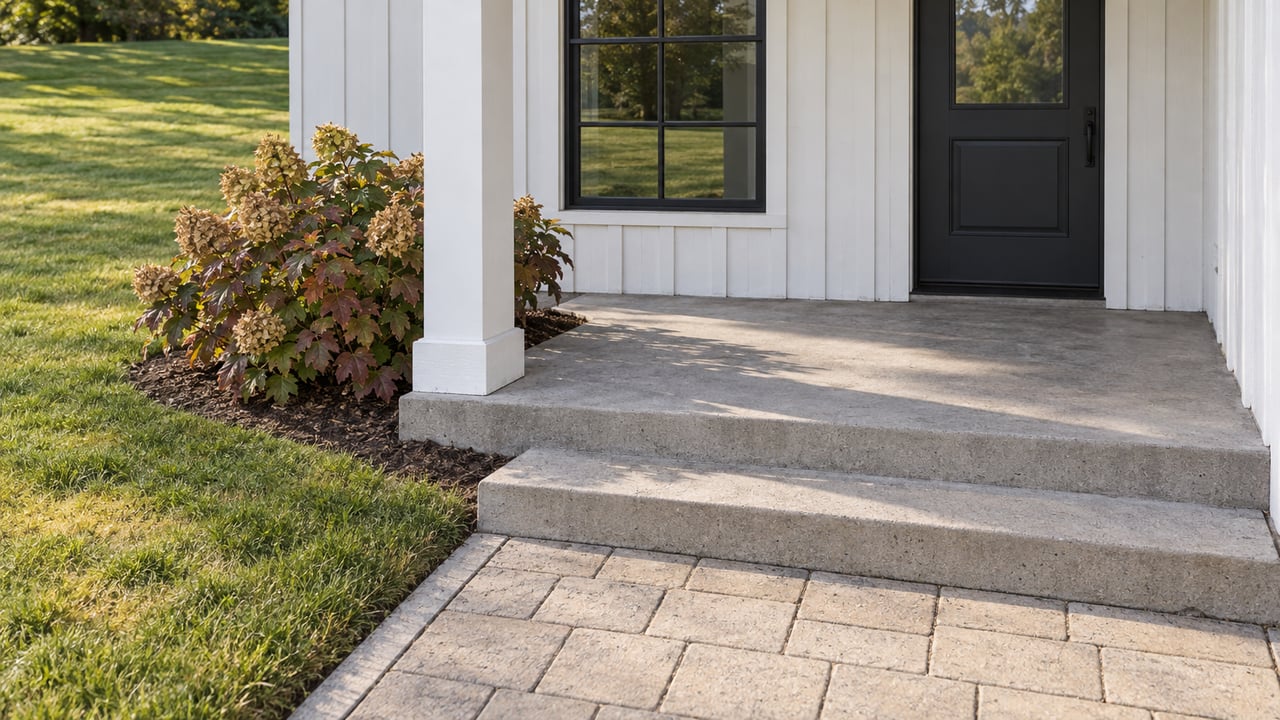
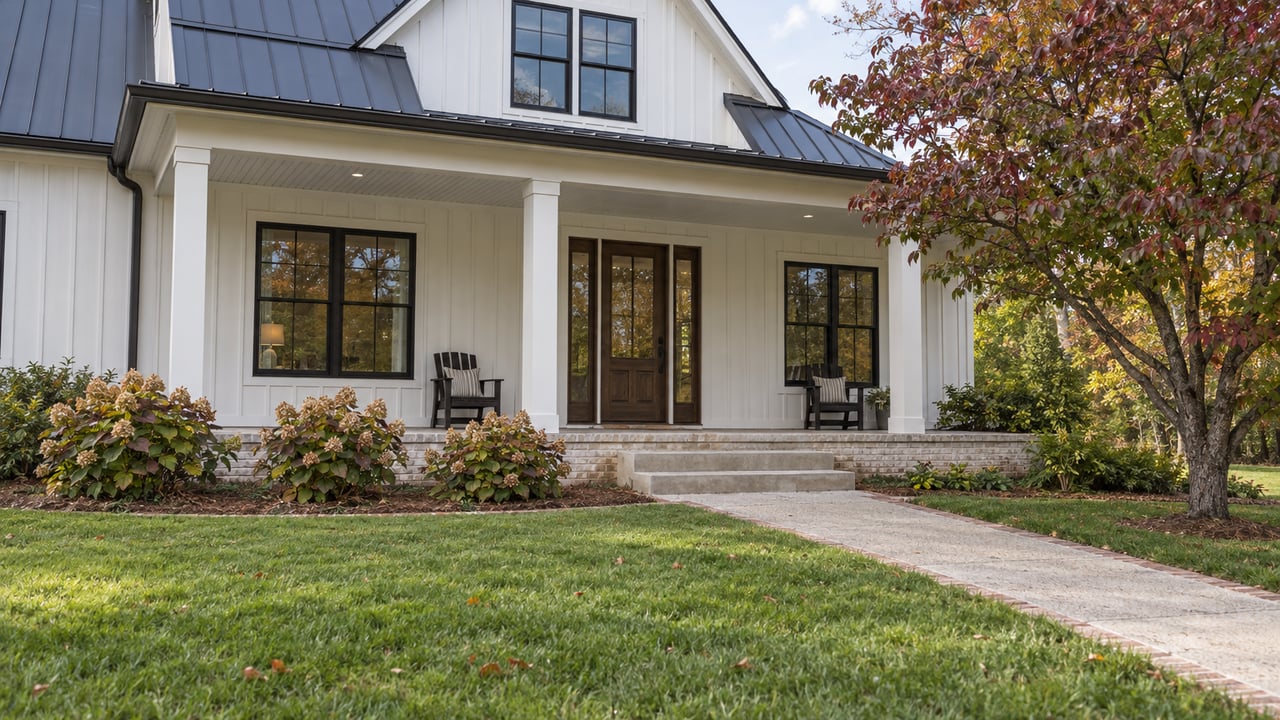
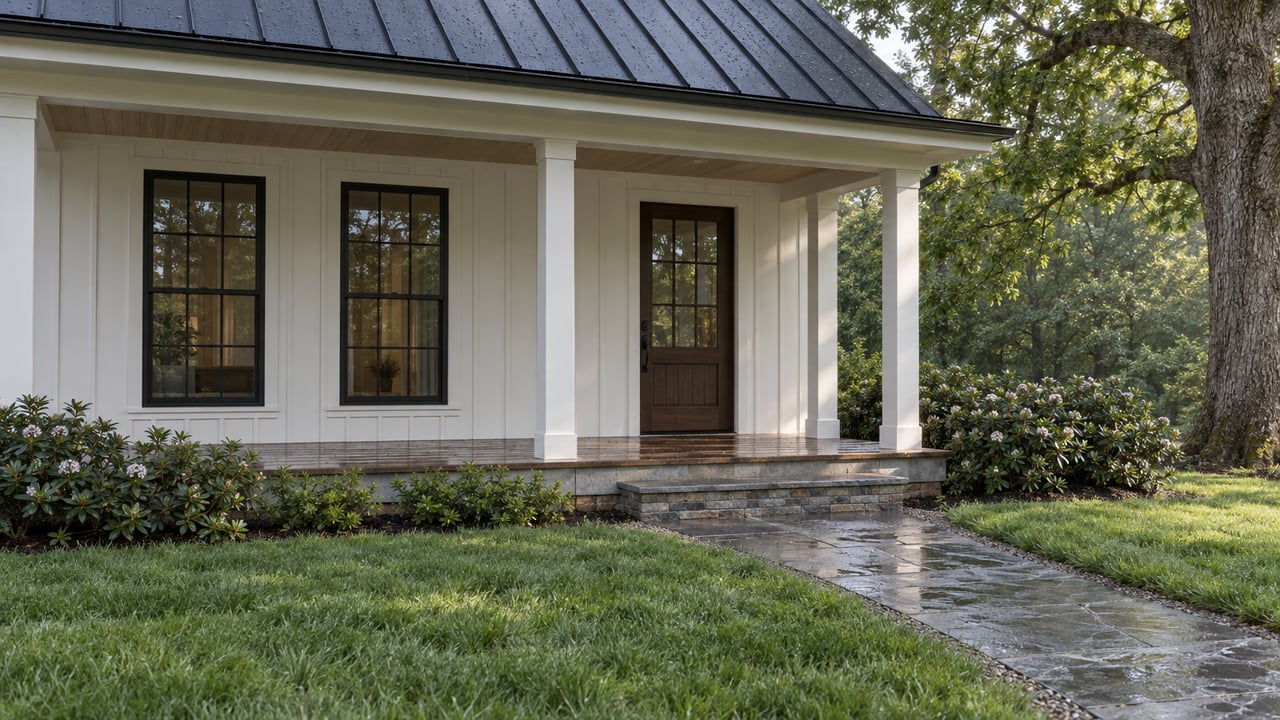
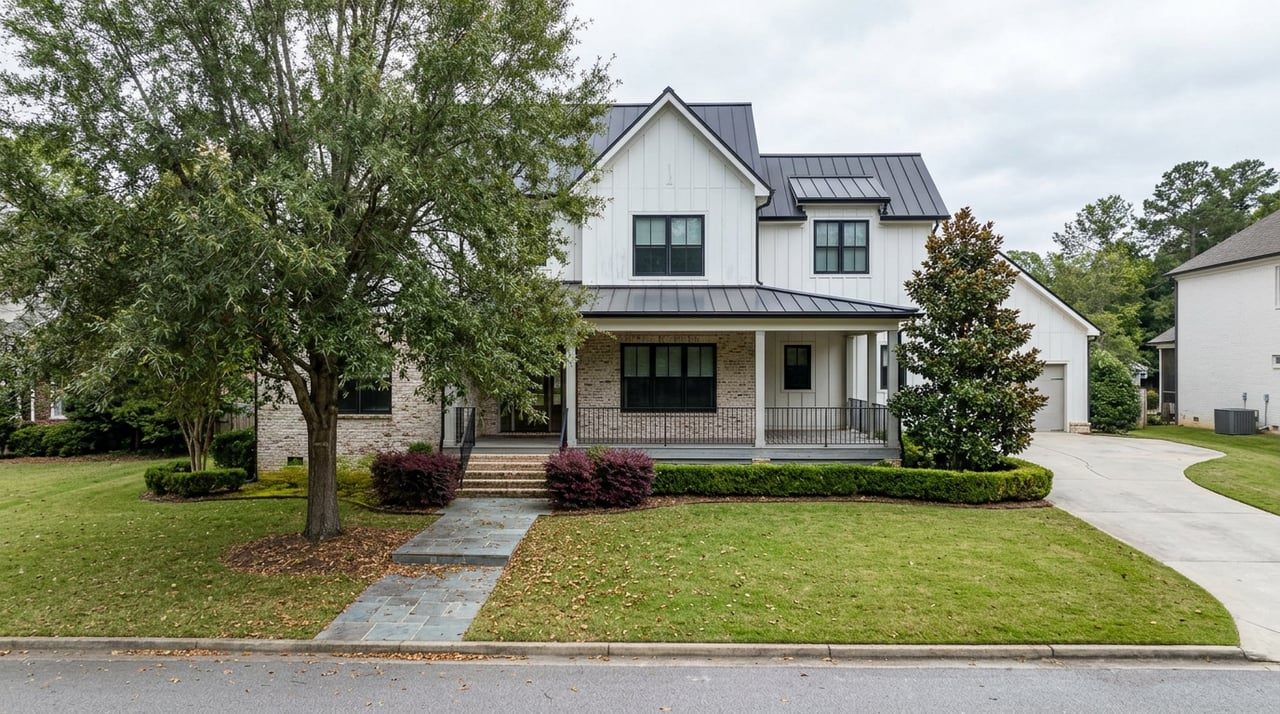
Takeaway: Curb appeal, lighting in the entryway, and that first open sightline into the home often carry more influence than anything buyers see later.
2. Color Psychology: More Than Just Paint
Ever wonder why staging professionals recommend neutral walls? It’s not just about looking clean. Colors tap into deep emotional responses:
-
Blues and greens often feel calm, restful, and trustworthy.
-
Yellows and warm tones evoke energy and friendliness—but can overwhelm if overdone.
-
Neutrals (grays, whites, tans) create a blank slate where buyers can imagine their own style.
For sellers, using the right colors can help buyers feel emotionally “at home.” For buyers, color can influence how “move-in ready” a house feels—sometimes more than the age of the kitchen cabinets!
3. Herd Mentality and Bidding Wars
When one buyer shows strong interest, others often feel it too—even if they weren’t initially convinced.
-
Why? Humans are wired for social proof. If someone else values a property enough to compete for it, it validates the idea that it must be desirable.
-
Result: This can lead to bidding wars where buyers stretch beyond their original budget simply because they don’t want to miss out.
The same principle works in open houses: a full driveway and busy rooms make a home seem more appealing, while an empty showing can have the opposite effect.
4. The Anchoring Effect in Pricing
Ever notice how a “price drop” feels like a bargain, even if the new price is the true market value? That’s called anchoring—a cognitive bias where people rely heavily on the first number they see.
-
Sellers benefit when a property is priced strategically to set the “anchor” high but still realistic.
-
Buyers sometimes overvalue a “reduced” home because they’re comparing it to the original list price, not the market.
Even small pricing strategies play into how people perceive value, not just the dollars on paper.
5. Smells, Sounds, and Subconscious Triggers
It’s not just what you see—it’s what you smell and hear. Subtle sensory details affect perception:
-
Fresh-baked cookies or citrus scents = warmth and cleanliness.
-
Soft background music = calm, inviting atmosphere.
-
Overpowering air fresheners = suspicion about what’s being covered up.
Buyers might not consciously notice these details, but their brains are quietly forming opinions.
6. The Emotional “Fit” Factor
At the end of the day, buyers often describe their favorite homes in one sentence: “It just felt right.” That feeling usually outweighs logic. A home that meets emotional needs—coziness, pride, security—often wins out over one that’s objectively a better “deal.”
Why This Matters (Even If You’re Not Moving)
Even if you’re not in the market, understanding the psychology of real estate is useful:
-
It explains why some homes on your street sell quickly while others linger.
-
It helps you notice how everyday upgrades—like repainting a front door or decluttering—quietly boost value.
-
And it’s a reminder that real estate isn’t just about bricks and mortar. It’s about people.
As your trusted advisor, I don’t just track the numbers—I study the behavior behind the numbers. Whether you’re selling next year, investing in rentals, or simply curious about what makes your neighborhood tick, knowing these psychological factors can give you an edge.
Bottom line: Homes aren’t just bought and sold with spreadsheets. They’re chosen with hearts, guts, and instincts. And that’s what makes real estate endlessly fascinating.