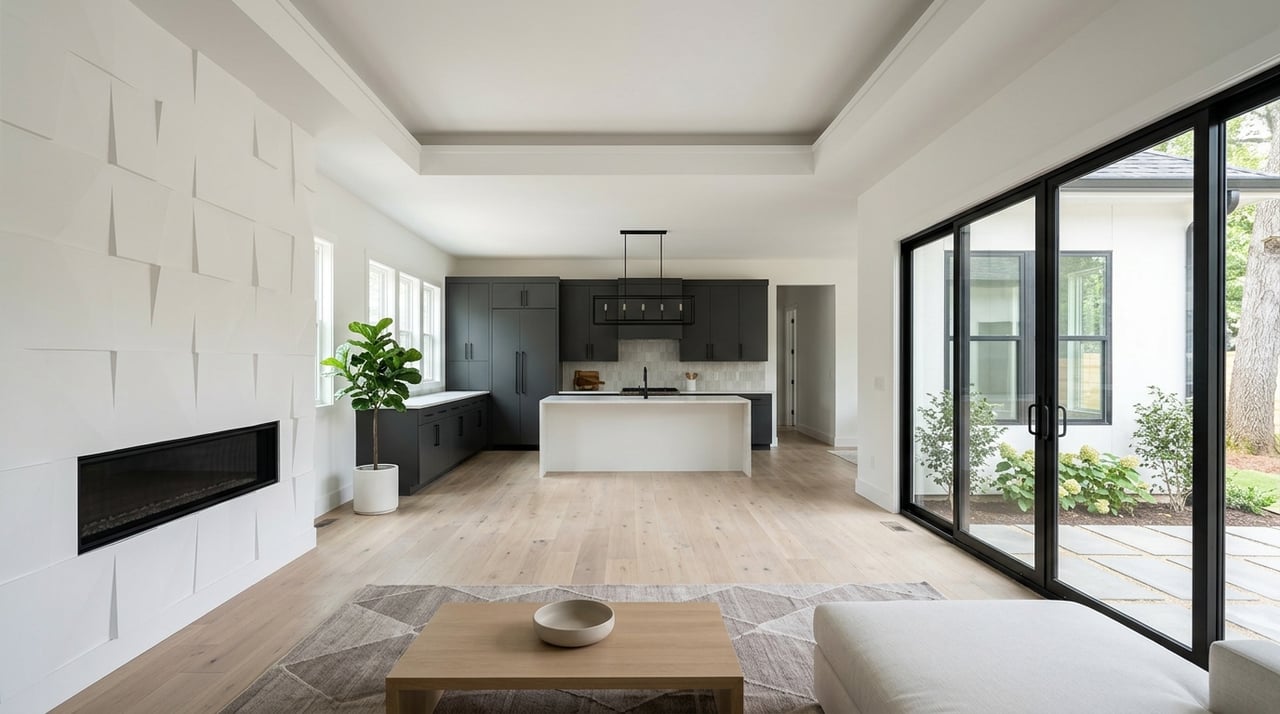
Buying your first home can feel exciting and overwhelming at the same time. If you are looking in Union, you may have an edge because this is a slower-moving, lower-priced market than many other parts of South Carolina. With the right plan, you can move from browsing listings to closing day with more confidence and fewer surprises. Let’s walk through the process step by step.
Why Union can appeal to first-time buyers
Union stands out for buyers who want more breathing room in both the search process and the price point. In April 2026, the median sale price in Union was $194,899, compared with $348,849 statewide. Homes in Union also took about 110 days to sell, and multiple offers were rare.
That slower pace can give you more time to compare homes, ask questions, and negotiate. Redfin data also showed homes selling for about 3% below list price on average. Even so, your real budget should center on the monthly payment, especially with the average 30-year fixed mortgage rate at 6.48% as of June 4, 2026.
Start with your budget
Before you tour homes, get clear on what you can comfortably afford each month. That means looking beyond the list price and factoring in principal, interest, property taxes, insurance, and possible escrow payments. A home that looks affordable on paper can feel very different once all the monthly costs are included.
You should also plan for upfront cash needs. Depending on the loan, you may be able to buy with as little as 3% down, but that is only one part of the picture. Closing costs usually run about 2% to 5% of the purchase price, and earnest money deposits commonly run 1% to 3%.
Key upfront costs to plan for
- Down payment
- Earnest money deposit
- Closing costs
- Inspection costs
- Title and settlement fees
- Taxes and insurance setup
- A reserve fund for repairs after closing
That last item matters more than many first-time buyers expect. Keeping some cash in reserve can help you handle repairs or maintenance after you move in.
Get pre-approved before you shop
A pre-approval helps you understand your price range and shows sellers you are serious. In a market like Union, that still matters, even when homes are moving more slowly. It gives you a cleaner starting point when you are ready to make an offer.
Pre-approval can also help you compare loan options more clearly. If you are exploring first-time-buyer-friendly programs, this is a good stage to ask questions about down payment assistance, credit score requirements, and income limits.
Explore South Carolina assistance programs
South Carolina Housing offers several options that may help first-time buyers or buyers who need support with upfront costs. Its Homebuyer Program includes low fixed rates and forgivable down payment assistance. For the bond program, the June 1, 2026 limits sheet lists income limits of $114,960 for one to two people and $134,120 for three or more people, with a $450,000 home-price cap for counties not separately listed.
The Palmetto Home Advantage program offers Conventional, FHA, VA, and USDA loan options and does not require you to be a first-time buyer. It lists a minimum 640 credit score and forgivable down payment assistance options of 0%, 3%, or 4%. Reported income caps vary between program materials, so you should verify the current limit with an approved lender before you make plans around it.
Narrow your Union home search
Union offers a practical mix of property types, so it helps to define your goals early. You may find brick ranches, one-level homes, new construction, in-town homes with porches or balconies, duplexes or triplexes, land, and rural properties with more acreage. That variety is helpful, but it can also make your search feel too broad if you do not narrow it down.
A good first question is whether you want an in-town starter home or a property with more land outside the core area. The city median sale price was slightly higher than the county median, which suggests there may be different affordability levels depending on where and what you buy. Knowing your lifestyle needs can help you avoid chasing homes that do not fit your day-to-day life.
What to decide early in your search
- In-town home or rural property
- Existing home or new construction
- Smaller lot or more acreage
- One-level layout or multi-story home
- Move-in-ready condition or a home needing updates
Union’s historic core may also appeal to buyers who like older homes with character. Downtown Union includes buildings from about 1878 to 1940, with architectural influences such as Neo-Classical and Victorian design. If charm is high on your list, that may be worth exploring as part of your search.
Make an offer with eyes open
Once you find the right property, the next step is making an offer that matches both the home and the market. In Union, where homes are generally taking longer to sell and multiple offers are uncommon, you may have some room to negotiate. That could include price, repairs, or other contract terms.
Still, every property is different. A well-priced home in strong condition can attract attention, so your offer should stay grounded in your budget and your goals.
Understand the disclosure rules in South Carolina
In South Carolina, the owner must provide the residential property disclosure statement before the contract is signed. If that form is missing, the sale is not automatically voided and closing is not delayed just for that reason. The law also makes clear that you still have a duty to inspect the property.
That point is important for first-time buyers. Even if a home is being sold as is, you should not skip your own due diligence.
Schedule inspections and review findings carefully
Inspections are one of the most important parts of the buying process. They give you a clearer picture of the home’s condition and can help you decide whether to move forward, renegotiate, or prepare for repairs after closing. This step protects you from relying only on appearances or seller disclosures.
Try to review inspection findings in the context of your budget and your comfort level. No home is perfect, especially if you are buying an older property, but you want to know which issues are minor and which could affect safety, cost, or long-term ownership.
Prepare for the contract-to-close period
After your offer is accepted, the process shifts into financing, title work, closing preparation, and final review. In South Carolina, a licensed South Carolina attorney must supervise the real estate closing. That means your closing process will involve legal oversight in a way that is specific to this state.
The timeline from contract to closing usually takes several weeks, not just a few days. Mortgage data cited by the CFPB found that many borrowers go from application to closing in about 35 to 57 days. Appraisal issues, title work, inspection negotiations, or repair questions can all affect timing.
What usually happens between contract and closing
- Finalize your loan application
- Complete inspections and negotiate repairs if needed
- Order appraisal through the lender
- Complete title work and closing preparation
- Review your Closing Disclosure
- Confirm insurance, utilities, and moving details
- Attend closing with the supervising attorney
Know what to review before closing day
Your lender must provide the Closing Disclosure at least three business days before closing. This gives you time to compare it to your earlier Loan Estimate and make sure the numbers line up with what you expected. If something looks off, ask questions right away.
Before closing, it also helps to make sure practical details are lined up. Confirm your homeowners insurance, utility transfer plans, and change-of-address tasks so your move goes more smoothly.
Plan for property taxes after you move in
Property taxes in South Carolina are based on appraised value, assessment ratio, and millage rate. Owner-occupied real property is generally assessed at 4%, while commercial and rental real property is assessed at 6%. If you are buying a primary residence in Union, you should make sure the home is classified as legal residence after closing.
That can make a meaningful difference in your tax treatment. Union County’s assessor handles local valuation records, parcel maps, reassessments, and related property record matters, so this is something to follow up on after the sale is complete.
A first-home strategy that fits Union
For many first-time buyers, Union offers a useful combination of lower prices, more variety, and a less competitive pace. That can create room to make careful decisions instead of rushed ones. You may have the chance to compare homes, negotiate more confidently, and find a property that fits both your budget and your long-term plans.
The key is to stay focused on the full cost of ownership, not just the sticker price. When you understand your monthly payment, your upfront cash needs, and the local buying process, you put yourself in a much stronger position.
If you are thinking about buying your first home in Union, working with an experienced local team can make each step easier to understand. Tim Elder offers clear guidance, strong transaction management, and practical support as you move from planning to closing.
FAQs
How much cash do you need to buy your first home in Union?
- You should plan for your down payment, earnest money, closing costs, inspection costs, and a reserve fund for repairs after closing. Depending on the loan, down payment may be as low as 3%, while closing costs often run about 2% to 5% of the purchase price.
How long does it take to buy a home in Union, SC?
- Most buyers should expect the process to take several weeks. Many mortgage borrowers close in about 35 to 57 days, and the lender must provide the Closing Disclosure at least three business days before closing.
Do you need a closing attorney to buy a home in South Carolina?
- Yes. South Carolina requires a licensed South Carolina attorney to supervise the real estate closing.
Is Union, SC a good market for first-time buyers?
- Union can be appealing for first-time buyers because it has a lower median sale price than the statewide median, homes are taking longer to sell, and multiple offers are uncommon. That said, affordability still depends heavily on your monthly payment and loan terms.
What kinds of homes can first-time buyers find in Union?
- Buyers in Union may find brick ranches, one-level homes, new construction, in-town homes, duplexes or triplexes, land, and rural properties with acreage. It helps to decide early whether you want an in-town starter home or a property with more land.