If you love the idea of character, charm, and a home with a story, Pendleton can feel like a rare find. Buying an older home here can also bring questions about condition, upkeep, insurance, and local rules. The good news is that when you know what to look for, you can make a more confident decision and protect your investment. Let’s dive in.
Why Pendleton attracts historic-home buyers
Pendleton has deep historic roots. The town was founded in 1790, and the town notes that it has one of the most historic downtowns in South Carolina. The Pendleton Historic District is listed on the National Register of Historic Places and includes more than 50 buildings with 18th- and 19th-century significance.
That history shapes what you see on the ground today. Early settlement patterns and later summer homes influenced the town’s built environment, which means older homes in Pendleton often feel distinct from newer housing in other parts of the Upstate. If you are drawn to architecture and original details, that variety is part of the appeal.
Older homes vary more than you think
One of the biggest myths about historic homes is that they all look and function the same. In Pendleton, that is not the case. The historic district includes different house types and design influences, including Greek Revival features, center-hall plans, and Charleston-type houses with broad porches, high ceilings, and large rooms designed for ventilation.
That means two homes built in a similar era can offer very different layouts, materials, and maintenance needs. Some may have more original features intact, while others may include updates from later decades. Age matters, but condition and prior repairs matter just as much.
Features you may see in Pendleton homes
Older homes in Pendleton may include:
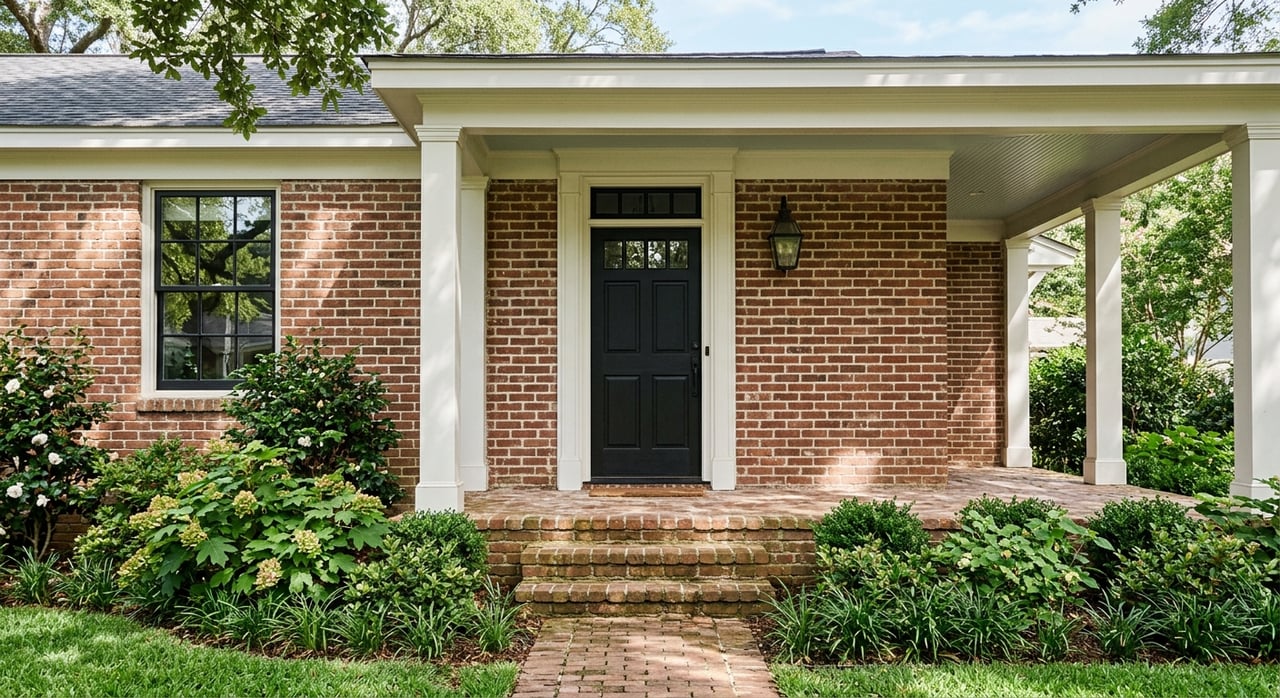
- Clapboard or masonry exteriors
- Heart-pine flooring or boards
- Plaster walls
- Wainscoting
- Fireplaces
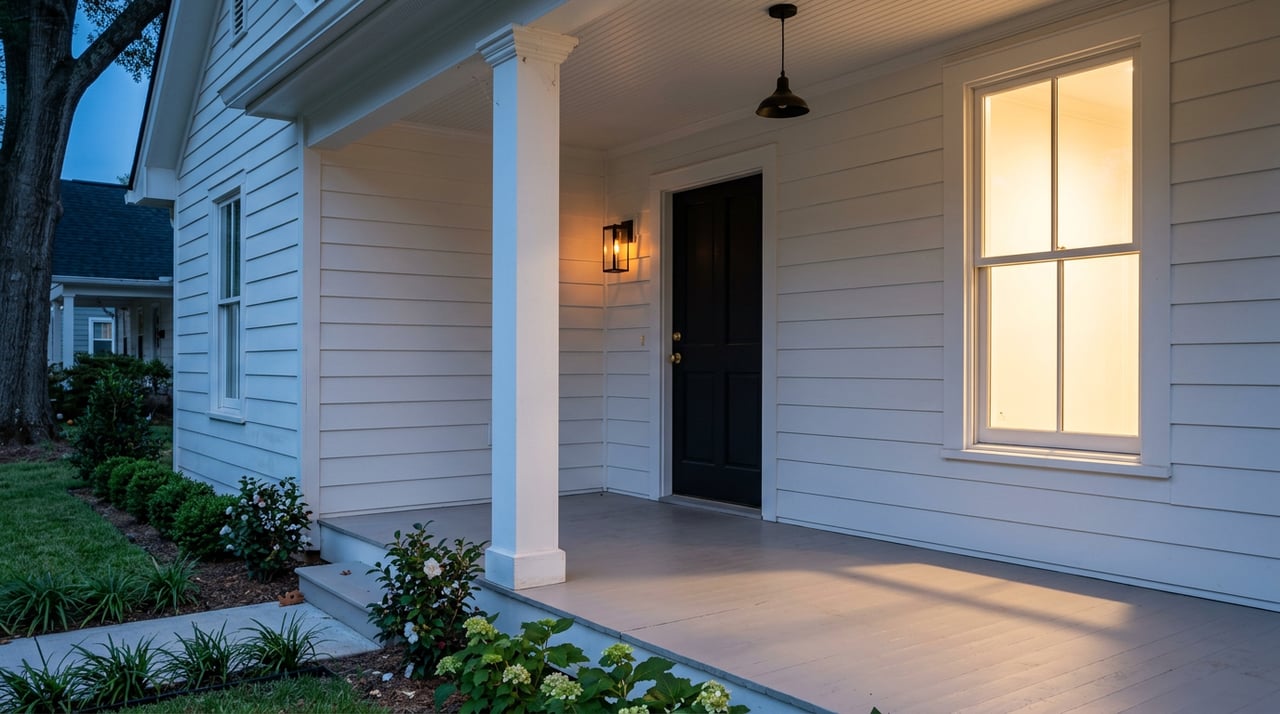
- Large porches
- High ceilings
- Large rooms with older ventilation-focused design
These features can add warmth and personality. They can also require more thoughtful inspection and maintenance than a newer home with fully modern systems.
What to inspect before you buy
When you buy an older home, a basic walkthrough is not enough. Historic homes often combine original materials with repairs and system updates completed over many decades. That mix can create hidden issues that are easy to miss if you only focus on surface finishes.
A smart first step is to pay close attention to the home’s roof, drainage, plumbing, electrical systems, and signs of moisture intrusion. In historic buildings, moisture is a major cause of deterioration, which is why roof condition, gutters, downspouts, runoff, and grading deserve extra attention.
Moisture is the big issue
If you remember one thing about older homes, make it this: moisture problems can spread quietly and become expensive. Uncontrolled moisture can damage wood, finishes, and other historic materials over time. Small signs like staining, musty odors, peeling finishes, or drainage issues outside may point to larger concerns.
Because of that, you will want to look beyond the interior. Check how water moves around the property, how the roof sheds rain, and whether gutters and downspouts appear to direct water away from the house. Early diagnosis matters.
Older systems need a closer look
Insurance underwriting for older homes often pays close attention to the age and condition of the roof, electrical, plumbing, and heating systems. Even if a home looks beautiful, outdated systems can affect both safety and insurability. That is one reason buyers should review these components carefully during due diligence.
You may also want more than a standard home inspection if issues involve historic materials or moisture-related deterioration. Preservation professionals, architects, engineers, conservators, or South Carolina preservation staff may be helpful when a house has specialized concerns.
Lead paint is a real consideration
If a home was built before 1978, it is more likely to contain lead-based paint. According to EPA data cited in the research, 87% of homes built before 1940 and 24% of homes built from 1960 to 1978 contain some lead-based paint.
Lead-based paint is not always a problem if it is in good condition. The bigger risk often comes during renovation, repair, or repainting, when hazardous lead dust can be created. Buyers of most pre-1978 homes also have a right to receive known lead-paint information before purchase.
Renovating an older Pendleton home
Many buyers see an older home and immediately start planning upgrades. That can work well, but historic properties often reward a more careful approach. In general, rehabilitation guidance for historic buildings focuses on retaining the existing form, features, and materials rather than replacing everything outright.
That does not mean you cannot make improvements. It means repair, compatibility, and material choices matter. If you want to update kitchens, baths, windows, insulation, or exterior features, it helps to understand the home’s construction before making changes.
Be careful with insulation choices
Energy efficiency is important, but older wall assemblies do not always behave like newer ones. National Park Service guidance warns that blown-in insulation in historic wall assemblies can trap moisture and lead to hidden deterioration.
That does not mean every older home should avoid insulation improvements. It means weatherization choices should be made carefully and with the house’s materials and moisture behavior in mind. A quick modern fix can create long-term problems if it is not suited to the structure.
Local rules can affect your plans
A lot of buyers assume that if a property is on the National Register, every change requires federal approval. Usually, that is not how it works for a privately owned home. National Register listing by itself does not usually restrict what a private owner can do.
Local rules, however, can matter. In Pendleton, the Design Review Board reviews overlay-district standards to protect character, and its stated goal is compatibility rather than exact replication. The town also applies the International Property Maintenance Code, which sets minimum standards for structural integrity, sanitation, fire safety, and exterior appearance.
Why this matters before closing
If you are thinking about exterior changes, additions, major repairs, or visible remodel work, it is wise to confirm whether local review may apply. That can affect timing, budget, and design choices. Knowing this before you buy can help you avoid surprises after closing.
Budgeting for the real cost of ownership
Older homes often come with two budgets: the one you expect and the one you discover. Cosmetic updates are only part of the picture. You should also plan for possible maintenance or replacement costs related to roofing, wiring, plumbing, drainage, and long-term upkeep.
Routine wear and tear is not covered by homeowners insurance. Standard homeowners policies also do not cover flood damage, which requires separate flood coverage if needed. For that reason, it is important to think beyond the mortgage payment and build in room for maintenance and insurance planning.
Shop insurance carefully
Older homes can be insurable, but underwriting standards vary by company. The South Carolina Department of Insurance says insurers use different criteria, so a decline from one carrier does not automatically mean a property is uninsurable.
That is helpful news if you fall in love with an older home. It simply means you may need to shop carriers carefully and be prepared to answer questions about the roof, electrical, plumbing, and heating systems.
A possible tax-credit opportunity
If you plan to rehabilitate a qualifying owner-occupied historic residence, South Carolina offers a 25% state historic rehabilitation tax credit in some cases. One key detail matters here: applications must be submitted before work begins.
That does not mean every historic home will qualify, and it is not a substitute for careful budgeting. Still, for the right property and project, it may be worth exploring early in your planning process.
What buying smart looks like
Buying an older home in Pendleton is not just about charm. It is about matching your expectations to the reality of the property. The best outcomes usually happen when you appreciate the home’s character, inspect it thoroughly, understand local oversight, and budget for both short-term and long-term work.
With the right guidance, an older home can be a rewarding purchase that offers something hard to find in newer construction: architectural variety, established character, and a real sense of place. If you are considering a historic or older home in Pendleton, having an experienced local advisor can help you ask the right questions before you commit.
If you want a steady, informed approach to buying in Pendleton or anywhere in the Upstate, connect with Tim Elder for practical guidance every step of the way.
FAQs
What makes older homes in Pendleton different from each other?
- Older homes in Pendleton can vary widely in style, layout, materials, and condition. The historic district includes different influences, so two homes from similar eras may have very different maintenance needs.
What should you inspect first in a Pendleton older home?
- Start with the roof, signs of moisture intrusion, gutters, drainage, plumbing, electrical systems, and any lead-paint concerns if the home was built before 1978.
Does National Register status restrict changes to a Pendleton home?
- Usually not by itself for a privately owned home, but local rules may still apply. In Pendleton, the Design Review Board may review work under local overlay-district standards.
Do older homes in Pendleton need special insurance?
- Not always, but older homes often require careful carrier shopping because insurers may focus on the age and condition of major systems. Flood coverage is separate from a standard homeowners policy.
Can you get a tax credit for restoring a historic home in South Carolina?
- Possibly. South Carolina has a 25% state historic rehabilitation tax credit for some qualifying owner-occupied residences, and applications must be filed before work begins.
Is lead paint a concern in older Pendleton homes?
- It can be. Homes built before 1978 are more likely to contain lead-based paint, and renovation or repair work can create hazardous lead dust if the material is disturbed.