Pull up the market trend chart for Stone Park, the small mountain-view subdivision off the Travelers Rest side of Greenville, and you'll notice something odd if you look closely. Depending on which module of the same page you're reading, the average days on market comes back as 28 days, 69 days, or 177 days. Same neighborhood. Same rolling period. Three different answers.
That's not a typo. It's what happens when a subdivision sells two houses a year and a portal tries to chart it like a market.
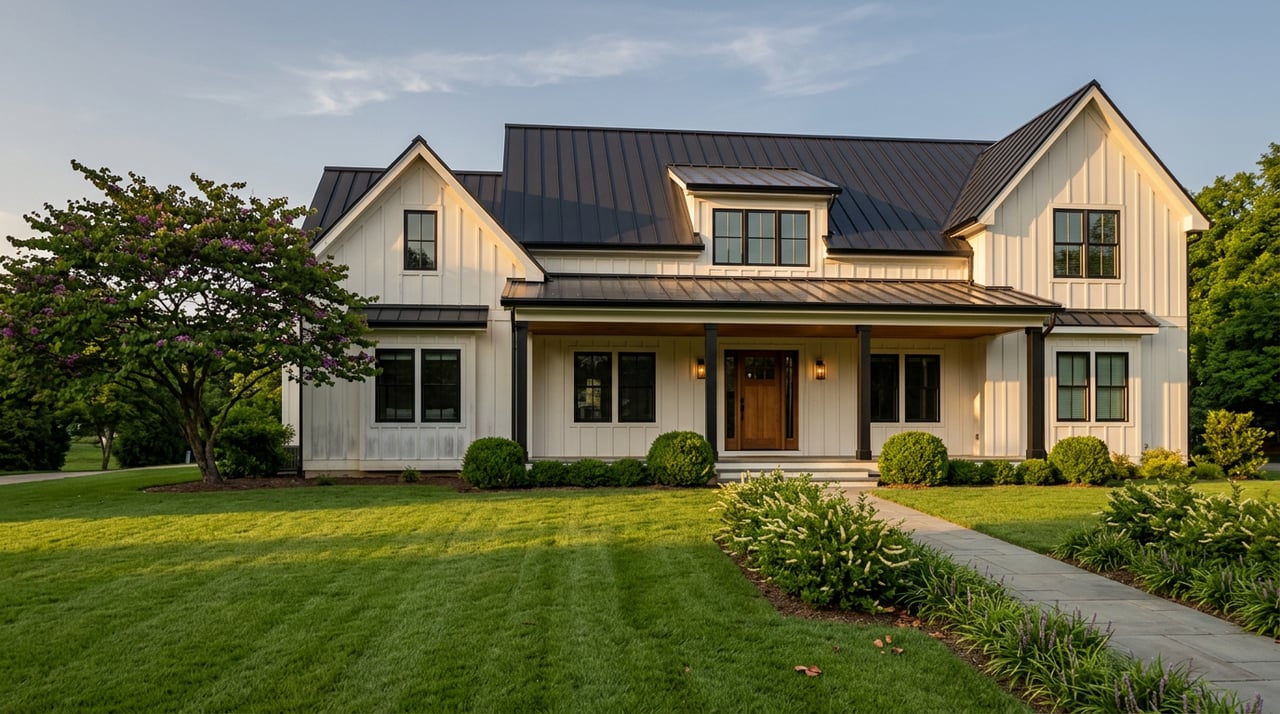
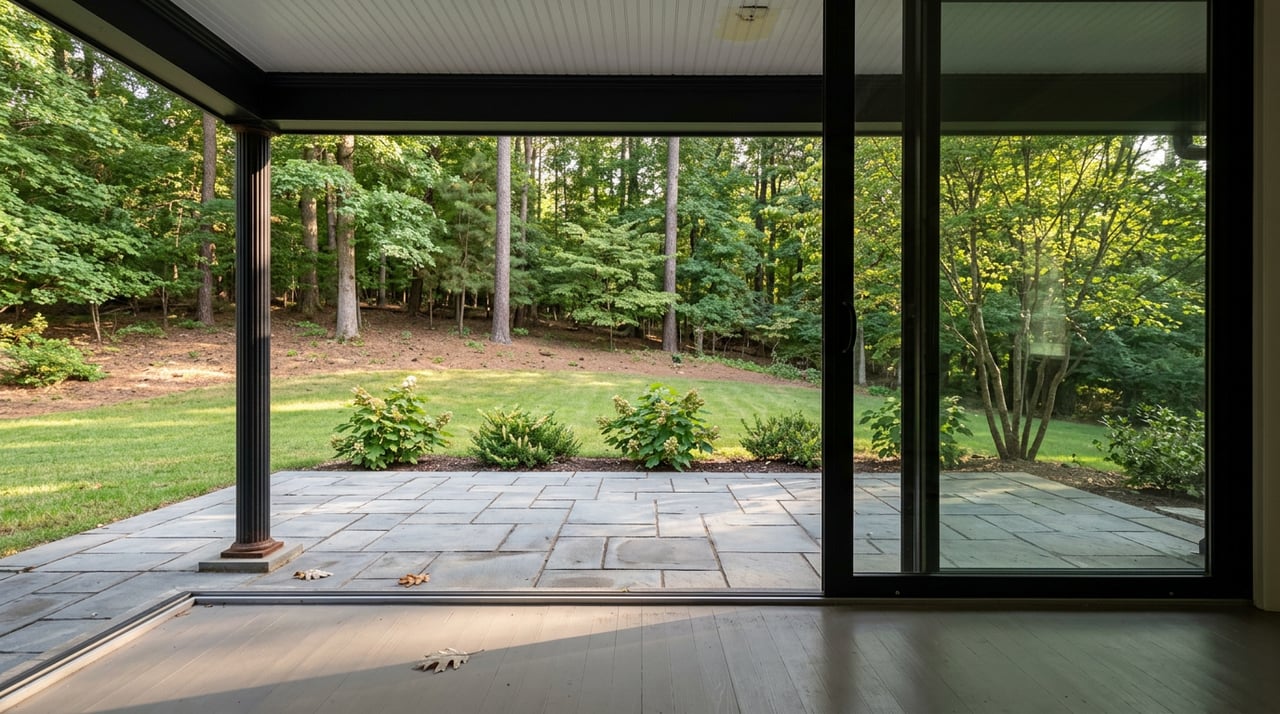
Stone Park is a real place with real appeal: half-acre wooded homesites, Blue Ridge views from the back porch, a location that puts you five to eight minutes from downtown Travelers Rest and within reach of Green Valley Country Club, Furman University, Furman Golf Course, and the Swamp Rabbit Trail. Builders SK Builders and True Homes have both put houses here, and the listings lean into every bit of that setting, right down to mentioning the black bear and white squirrel sightings out back. It's a legitimately desirable pocket of the Upstate.
But the data most buyers see when they research it isn't telling them what they think it's telling them.
Two Sales a Year Isn't a Trend
Here's the actual transaction record behind Stone Park's headline numbers. In the trailing 12 months, the subdivision recorded two closed sales, matching the two sales recorded the year before that. One of those, 242 Montview Circle, closed on October 3, 2025 for $640,500, a 4-bedroom, 3-bath home at 3,393 square feet. That single sale, and one other like it, is what generates an average sale price of $641,000, a reported 11% increase, and a price per square foot that moved from $170 to $185 year over year.
None of that is false. It's just built on a sample size too small to describe a trend. When only two houses trade in a year, one seller who negotiates hard and one seller who doesn't can swing the "average" by tens of thousands of dollars and the "days on market" figure by months, all without the underlying neighborhood actually changing. That's the reason the same page can tell you homes here sit for 28 days in one box and 177 days in another. Both numbers are technically real. Neither one is a market.
If a neighborhood only closes a couple of sales a year, its own trend chart is closer to a coin flip than a forecast.
This matters because Stone Park's marketing, understandably, borrows the story of its neighbor. Listing after listing describes the home as "a short skip to the Swamp Rabbit Trail" or "minutes from downtown Travelers Rest," which is true and worth knowing. But it means the actual price signal for this corridor isn't happening inside Stone Park's gates. It's happening one submarket over, where enough houses trade to mean something.
What the Corridor Is Actually Saying
Travelers Rest itself, as of August 2026, is one of only two Greenville-area submarkets that appreciated at all this year, and it did so in a specific way worth understanding before you write an offer. The median sale price sits at $514,720, up 11.9% year over year. But the price per square foot climbed 32.2% over the same period, the steepest per-foot increase of any submarket tracked in that report. That gap between the two numbers is the tell: buyers aren't just paying more, they're paying meaningfully more for the same footprint, which is a different and more expensive story than a rising median alone would suggest.
At the same time, homes in Travelers Rest are now taking 72 days to sell, up from 50 days a year ago, and sales volume there is down 8% year over year, the only submarket in that report where fewer homes closed. A separate three-month read on the same market, ending May 2026, shows the same shape from a different angle: median price up double digits year over year, but days on market stretching from 46 to 64 over that stretch, and monthly closings down slightly from a year earlier. The exact percentages differ depending on which window you use, but the direction agrees: prices are still climbing here, and the buyer pool willing to pay those prices is thinning at the same time.
That's the real mechanism behind Stone Park's appeal. It isn't that Stone Park itself is on fire. It's that Stone Park sits inside a corridor where trail access is pulling prices up faster than almost anywhere else in the Upstate, even as fewer buyers are able or willing to chase it.
| Stone Park (subdivision) | Travelers Rest (corridor) | |
|---|---|---|
| Sales in trailing 12 months | 2 | Down 8% year over year |
| Price per square foot trend | $170 to $185 (2 sales) | Up 32.2% year over year |
| Days on market | 28, 69, or 177 depending on the module | 72, up from 50 a year ago |
| What's driving it | Two individual negotiations | Trail-adjacent submarket appreciation |
What This Means If You're Shopping This Corridor
None of this means avoid Stone Park. It means read it correctly. A buyer comparing homes in this corridor should treat the subdivision-level "hot neighborhood" framing with real skepticism and instead ask their agent for the same thing the portal can't reliably give them: actual closed comps, on actual streets, with actual context. What did 242 Montview Circle really compete against when it closed. What has sold on Montview Circle or nearby streets since. Those specific answers matter more than a chart built on two data points.
It also means paying attention to what the corridor-level slowdown implies about timing. Days on market in Travelers Rest stretching from 50 to 72 suggests sellers here have less pricing power than the rising median alone would lead you to believe. A buyer willing to be patient, and willing to negotiate on a home that's sat 60 or 70 days rather than one that just hit the market, may find more room than the headline appreciation number suggests. That's consistent with the wider Greenville picture too. Active inventory across the Greater Greenville market reached 6,269 homes in July 2026 with a 4.1-month supply, up from 5,444 homes and 3.7 months back in March 2026, and the city's own median days on market has stretched to 59 days as of the three months ending June 2026, up from 47 a year earlier. Inventory is loosening almost everywhere. Travelers Rest and its immediate neighbors, including Stone Park, are simply loosening from a higher price point.
If you're looking specifically for what makes this corridor worth the premium, it's not abstract. It's the trail, the country club, and the university, all within a few minutes of each other, and all things a two-sale-a-year subdivision can't manufacture on its own no matter how the trend line reads.
A Few Questions Buyers Ask About This Corridor
Is Stone Park actually part of Travelers Rest? No. Stone Park is its own subdivision in Greenville County, assigned to Armstrong Elementary, Berea Middle, and Travelers Rest High School, and sits five to eight minutes from downtown Travelers Rest. It shares the corridor's appeal without being inside the town itself.
Why do the days-on-market numbers for Stone Park conflict so much? Because the subdivision closes so few sales in a given year that different rolling windows, or different clustering methods, can produce very different averages from the same handful of transactions. It's a sign of thin data, not a market you should try to time off a single chart.
Does the Swamp Rabbit Trail actually move prices, or is that just marketing language? Based on the most recent submarket data available, yes. Travelers Rest and North Main were the only two Greenville submarkets to appreciate this year, and both sit on the trail corridor, with price-per-square-foot growth well ahead of the rest of the market.
If you're weighing a move into this corridor, whether that's a half-acre lot in Stone Park or a resale closer to downtown Travelers Rest, the numbers worth trusting are the ones with enough transactions behind them to mean something. The Tim Elder Team tracks both the subdivision-level listings and the corridor-level trend so you're negotiating from actual comps, not a chart built on two houses. You can also browse the Stone Park neighborhood page or see how this corridor stacks up against nearby options in our Travelers Rest versus Marietta comparison. Ready to see what your specific numbers look like? Get Your Free Home Valuation and we'll walk you through the real comps, not the aggregated ones.